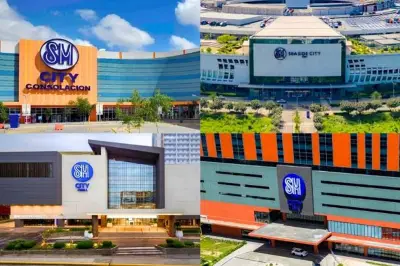
In a significant development for urban waste management, Cebu City is swiftly adapting its strategies following a decisive move by the neighboring municipality of Consolacion. The local government of Consolacion has imposed new restrictions, drastically limiting the amount of waste it will accept from Cebu City at its landfill facilities.
New Limits Force Immediate Adjustments
Under the updated regulations from Consolacion, the daily waste intake from Cebu City has been capped at 100 to 150 metric tons. This marks a substantial reduction from the previous allowance of 300 metric tons per day, prompting urgent action from Cebu City officials.
Mayor Nestor Archival addressed the situation with a pragmatic stance, stating, "It is their decision, and we respect it. We will seek alternative methods for managing our waste." This response underscores the city's commitment to finding sustainable solutions rather than contesting the new limits.

Aggressive Waste Reduction Initiatives
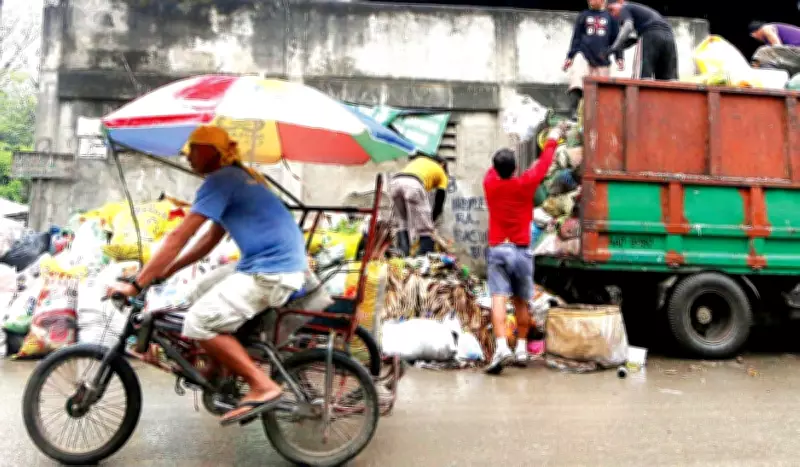
To bridge the gap created by the reduced landfill capacity, Cebu City has launched an aggressive waste management campaign. Key measures include implementing strict waste segregation and shredding programs directly at the barangay level. These efforts have already yielded positive results, reducing the city's daily waste output from 600 tons to 550 tons—a decrease of 50 tons.
Further enhancing these efforts, the Carbon Public Market is now processing 15 to 20 tons of biodegradable waste each day, converting it into compost. This initiative ensures that organic waste is no longer sent directly to landfills but is instead repurposed for urban farming projects.
Focus on Community Discipline and Sustainability
Mayor Archival emphasized the critical role of community involvement in this waste management overhaul. He plans to meet with barangay captains to ensure strict enforcement of waste segregation at the household level. According to Archival, community discipline is the key to preventing the city from being overwhelmed by waste, especially in the wake of the Binaliw landfill crisis that occurred on January 8.
The overarching goal of these measures is to stabilize Cebu City's waste situation while building a more sustainable system. The city aims to reduce its reliance on finding landfill space in other municipalities, moving towards a self-sufficient and environmentally friendly approach to waste disposal.
This strategic shift not only addresses immediate logistical challenges but also aligns with broader environmental goals, promoting recycling and composting as long-term solutions for urban waste management in the Philippines.