The refusal of neighboring towns to accept Cebu City's garbage has exposed escalating tensions between the urban center and surrounding municipalities, highlighting the environmental and social costs of urban expansion. As consumption in cities grows, the burden of waste often spills over into nearby communities, creating conflicts over responsibility and management. This crisis underscores the vulnerability of local waste systems when a primary disposal site is lost to disaster, pushing the city toward emergency measures and sparking urgent debates on sustainable solutions.
Emergency Disposal Measures Under Scrutiny
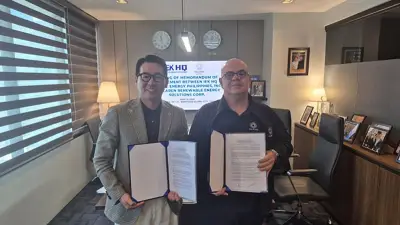
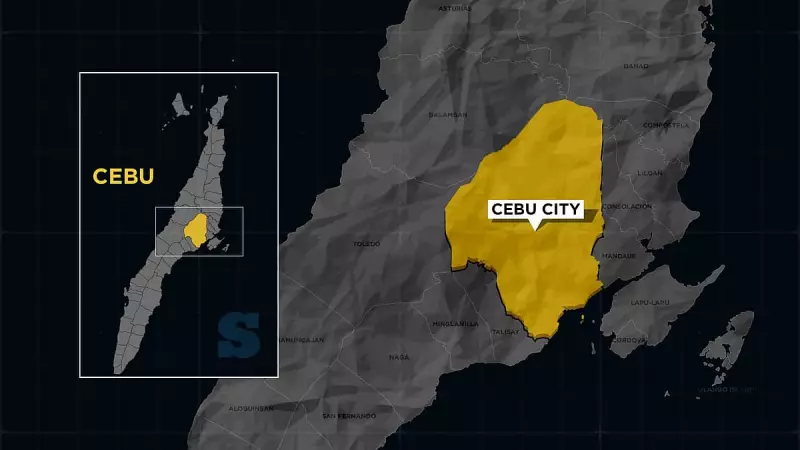
Cebu City is currently evaluating the option of transporting its trash to the Municipality of Aloguinsan, located approximately 61.6 kilometers away. To cover the heightened expenses of long-distance hauling, Mayor Nestor Archival plans to request the reallocation of P30 million from the City's disaster funds. The city generates between 500 and 700 tons of garbage daily and is presently relying on temporary arrangements at the Asian Energy System Corp. landfill in Consolacion, which is managed by Philippine Waste Solutions. This stopgap solution, however, is proving financially and logistically challenging as the city scrambles to find a permanent fix.
Neighboring Capacity Limits and Rejections
The search for alternative disposal sites follows a firm rejection from nearby local government units during a provincial coordination meeting held on Thursday, January 22. Leaders from Minglanilla and Talisay City made it clear that their facilities were designed solely for local needs and cannot handle the massive volume of waste generated by Cebu City. Mayor Gerald Anthony Gullas Jr. of Talisay City stated that his city could not accommodate external waste, though he offered support for traffic management along hauling routes passing through the southern areas. Minglanilla's position was even more definitive, with officials describing the transfer of a large city's environmental burden to a smaller town as fundamentally unjust. Archival acknowledged these concerns, remarking, "I understand their predicament considering this is not a joke with tons of garbage."

Consequences of the Binaliw Landfill Tragedy
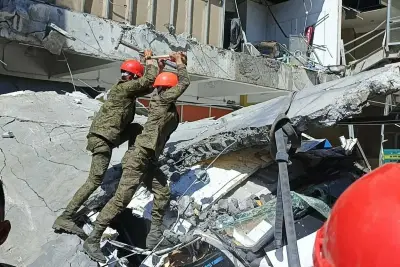
Cebu City's options were severely constrained following the January 8 landslide at the Binaliw landfill, a disaster that resulted in the deaths of 36 people on-site and one volunteer rescuer who later died in the hospital. In the aftermath, the Environmental Management Bureau ordered the facility closed for all operations except cleanup and rehabilitation efforts. This closure has not only created a logistical nightmare but also a financial one. Vice Mayor Tomas Osmeña previously noted that even using the Binaliw site cost the City between P500 million and P700 million annually. Hauling waste to more distant locations like Aloguinsan is expected to drive these costs even higher, potentially draining funds from other essential city services and exacerbating the crisis.
Differing Paths to a Sustainable Solution
The crisis has ignited a debate between immediate logistical fixes and long-term legislative changes. Mayor Archival is prioritizing the establishment of a transfer station within Cebu City to alleviate financial and logistical strain. He intends to follow up with the Department of Environment and Natural Resources on Monday, January 26, to push for the necessary approvals. In contrast, Vice Mayor Osmeña believes the root of the problem lies in national policy. He argues that the Philippine government must pass a law permitting modern incineration facilities, stating, "the problem I am telling them right now is that the Philippine government has to pass a law that will allow us to be like other countries where you can have an incinerator. I can put it there at the SRP (South Road Properties), half a hectare lang." This divergence in approaches highlights the complexity of addressing waste management in a rapidly urbanizing environment.

Decisions to Watch in the Coming Days
The City Government is scheduled to meet with environmental authorities on January 26 to discuss the proposed transfer station. Simultaneously, the City Disaster Risk Reduction and Management Council must decide whether to approve the realignment of P30 million in emergency funds. These critical decisions will determine how long the City can sustain its current hauling operations before the mounting financial costs force a strategic shift. As Cebu City navigates this garbage crisis, the outcomes will not only impact local waste management but also set precedents for inter-municipal cooperation and environmental policy in the Philippines.