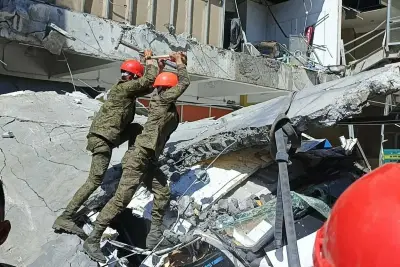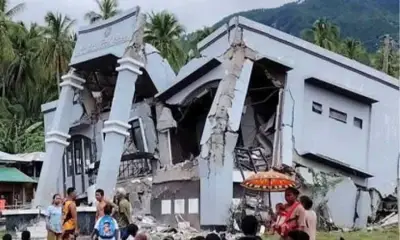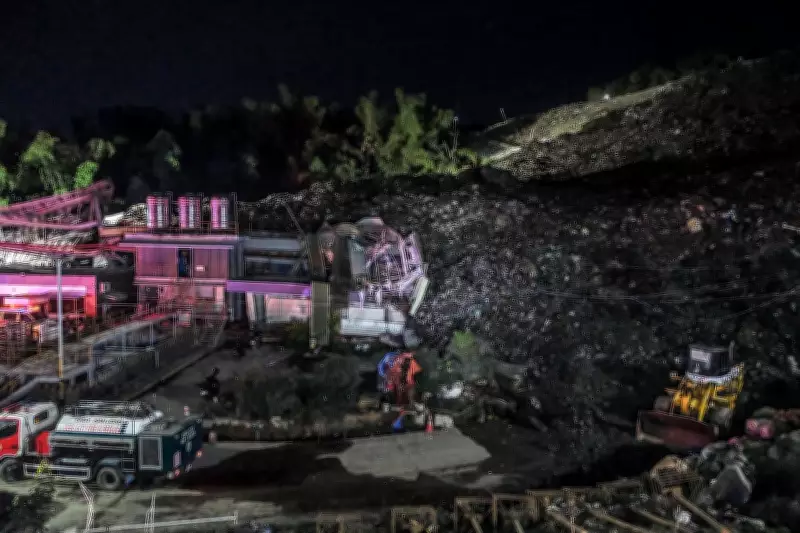
In a decisive response to the catastrophic Binaliw landfill collapse earlier this year, Cebu City Mayor Nestor Archival has mandated all 80 barangays across the city to adopt waste shredding practices. This urgent directive aims to drastically reduce the mounting garbage accumulation at disposal sites, as the community continues to grapple with the aftermath of the January 8, 2026, tragedy that claimed 36 lives.
Financial Allocation and Strategic Goals
To facilitate this critical initiative, Mayor Archival announced that the City Government plans to allocate a substantial P8 million per barangay for the procurement of shredding equipment. These funds will be sourced from unutilized Local Disaster Fund (LDF) allocations left by the previous administration, repurposing resources to address ongoing environmental and safety concerns.
The primary objective is to transform waste management by halting the indiscriminate hauling of all refuse to dumps. Under the new system, biodegradable waste will be shredded and repurposed as fertilizer, while only non-biodegradable materials will be directed to landfills. "The more we help each other, the less garbage we will throw away," Archival emphasized in Cebuano during a press conference held on Monday, February 2.

Reducing Daily Waste and Operational Costs
Cebu City currently generates approximately 600 tons of garbage daily, a figure that Archival is determined to slash significantly. Over the next six months, the city aims to achieve a reduction of up to 200 tons per day in waste volume. If successful, this ambitious target could yield daily savings of around P600,000 in hauling and tipping fees, providing both economic and environmental benefits.
This strategy holds particular importance for the 30 upland villages, where logistical challenges complicate waste disposal. Under the plan, these communities must process their waste locally to avoid the difficulties, time consumption, and excessive fuel usage associated with transporting trash from mountainous areas. "This is how we bring down costs and fix the problem from the ground up," Archival stated, underscoring the grassroots approach.
Adapting to Urban Constraints
Recognizing that some densely populated urban barangays lack adequate space for shredding machinery, the City is exploring a "cluster-based system". This innovative model would enable crowded neighborhoods to partner with nearby upland barangays that possess available land for composting activities. Barangay captains are scheduled to convene later this week to discuss the practical implementation of these collaborative partnerships.
While the City will supply the shredding equipment, Archival clarified that barangays are responsible for covering operational expenses, including fuel and maintenance. He firmly noted that maintaining cleanliness is a non-negotiable responsibility for all local units.
Ensuring Accountability and Addressing Past Failures
Mayor Archival issued a stern warning that the City will closely monitor the initiative's progress, with success measured by the actual diversion of waste from landfills. "If the tonnage of garbage does not decrease, that means the shredding is not being properly implemented," he cautioned, highlighting the need for tangible results.
The mayor also pointed out that many barangays already possess shredding machines that have fallen into disuse, with some units reportedly broken or abandoned. "I will have this clarified, how many years it has not been used, what the reason is, and whether it can still be repaired," he asserted, indicating a commitment to addressing previous inefficiencies.
As Cebu City contends with limited and hazardous disposal options, Archival stressed that this comprehensive waste management initiative is crucial for the city's safety and environmental sustainability. The community's response and cooperation will be pivotal in preventing future tragedies and fostering a cleaner, more resilient urban environment.