Cebu City Confronts Massive Garbage Crisis Following Landfill Collapse
Published on: February 1, 2026, 9:55 am
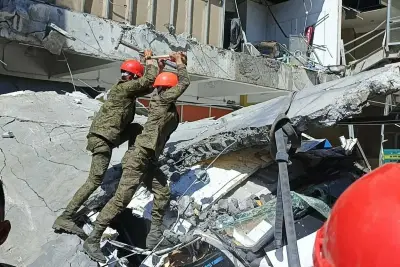
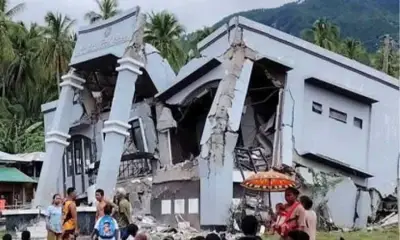
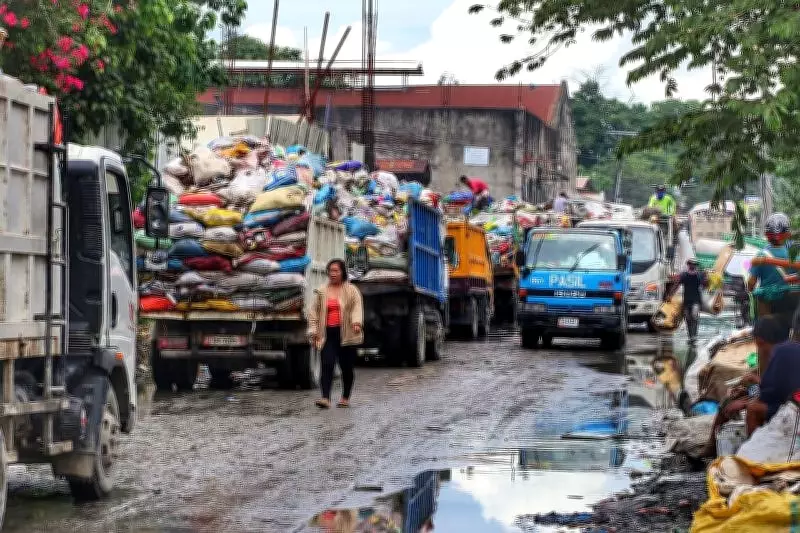
CEBU City is currently grappling with a severe and escalating garbage crisis, triggered by the tragic collapse of the Binaliw landfill on January 8, 2026. In a desperate bid to manage the mounting waste, the local government has intensified enforcement of waste regulations, but widespread complaints from residents highlight systemic failures in the collection process.
Cebu City Reduces Trash by 50 Tons Daily Through Aggressive Recycling Initiatives
The revival of the "No Segregation, No Collection" policy marks a critical step in the city's response. With the primary landfill rendered inoperable, municipal authorities are mandating that households meticulously separate their trash into distinct categories—such as biodegradable materials and plastics—or risk having their waste left uncollected by garbage trucks.

Simultaneously, the City is engaged in negotiations with neighboring localities, including Aloguinsan and Toledo City, to accept its overflow of trash. A temporary holding station in Consolacion is currently being utilized as an interim measure. Officials emphasize that without a significant increase in household recycling and composting efforts, the region will face an insurmountable shortage of disposal space.
Cebu City Not Yet Prepared to Divert Garbage to Aloguinsan and Toledo
Despite the regulatory push, many Cebuanos express deep frustration, feeling that their diligent at-home efforts are undermined by inefficiencies in the collection system. "I separate my garbage at home, but I see no real difference once it is picked up," lamented 39-year-old Stella Espanol from Barangay Zapatera. She observed that collectors frequently commingle the carefully sorted waste back into a single truckload, negating the segregation process.
In Barangay Capitol Site, 65-year-old Edwardo Pialan employs multiple sacks for different waste types, believing it contributes to urban cleanliness. However, he concedes that the system often falters upon collection. Similarly, 22-year-old Shane Tan supports the cleanliness initiative but criticizes the inconsistent and unreliable nature of the current collection services.
Beyond Trash: Dangerous Side Effects Emerge
The accumulation of uncollected waste is precipitating hazardous consequences. Kathlen Dahunan, 35, highlighted that piles of refuse have ignited fires in several neighborhoods, compounding the crisis. These incidents divert emergency resources to aid displaced residents, thereby further delaying resolution of the underlying garbage dilemma.
Path Forward: Enforcement and Long-Term Solutions
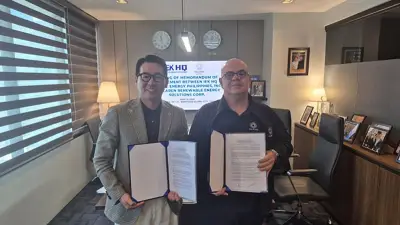
Under City Ordinance 2031, non-compliance with segregation mandates can result in fines or even imprisonment. While the government advocates for long-term strategies like waste-to-energy facilities, immediate priorities center on universal household adherence to the rules.
The trajectory of Cebu City's recovery hinges on achieving alignment between governmental directives and resident cooperation. Presently, the City stands at a critical juncture, striving to enforce legislation that many citizens perceive as unsupported by the very infrastructure—the garbage trucks—designed to execute it.