Cebu City Councilor Proposes Innovative 'Trash to Cash' Ordinance to Combat Waste Crisis
Cebu City is taking a bold step towards solving its mounting waste management crisis with a groundbreaking ordinance proposed by Councilor Joel Garganera. The initiative, dubbed the "Cebu City Plastic Waste Reduction and Producer Responsibility Ordinance of 2026," aims to transform recyclable trash into cash, offering a financial incentive for residents and waste collectors to participate in sustainable practices.
Converting Waste into Economic Assets
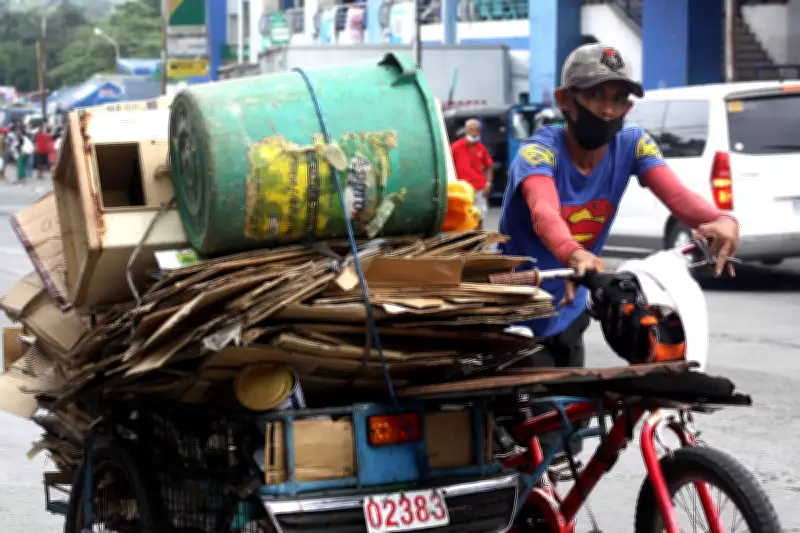
Under the proposed ordinance, all PET (polyethylene terephthalate) bottles, glass containers, and aluminum cans sold in the city would be subject to a refundable deposit system. This system assigns monetary value to recyclable materials, with plastic bottles and glass containers valued at P2.00 each and aluminum cans at P1.00 each. By turning waste into a "cash asset," the measure seeks to create an immediate economic reason for consumers and waste pickers to ensure these materials are returned rather than discarded.
Addressing the State of Calamity and Waste Management Challenges
The ordinance is a direct response to recent waste management incidents and operational pressures that led the city to declare a State of Calamity. It also supports the mayor's 2026 executive order, which prohibits the collection of non-segregated waste. Key components of the proposal include:

- Financial incentives for material recovery
- Shared responsibility among manufacturers, distributors, and supermarkets
- Support for the "No Segregation, No Collection" policy
- Alleviation of government workload in waste management
Fostering a Circular Economy and Reducing Landfill Waste
By promoting a circular economy, the ordinance aims to significantly reduce the volume of waste sent to local landfills. Manufacturers, distributors, and supermarkets are mandated to establish collection systems for the materials they introduce into the market, ensuring a closed-loop process. This approach not only tackles the immediate waste crisis but also encourages long-term environmental stewardship and economic resilience in Cebu City.