Cebu City Council Exposes Binaliw Landfill Operating Beyond 2025 Permit, Amid Deadly Trash Slide Probe
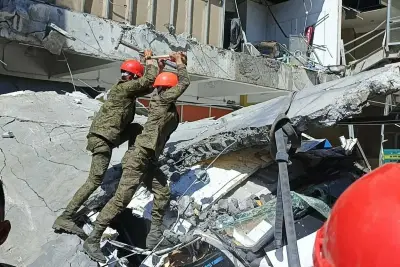
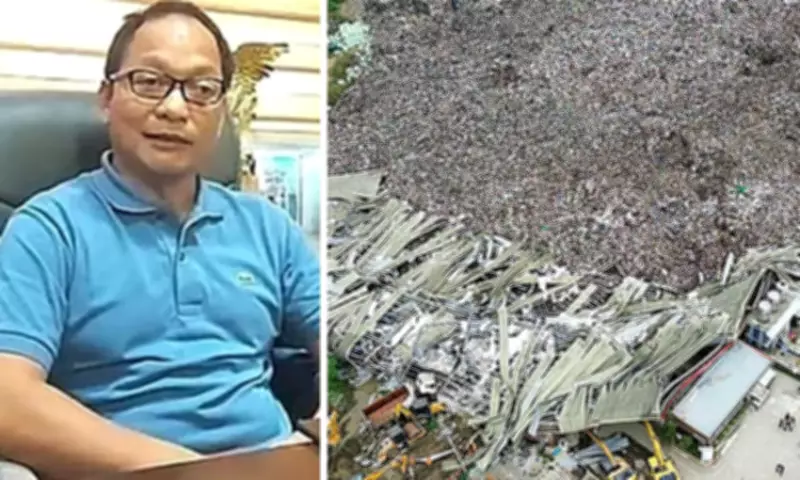
A recent Cebu City Council session has uncovered alarming details about the Binaliw landfill, revealing it continued operations into 2026 despite its environmental compliance certificate (ECC) expiring in 2025. This revelation comes in the wake of a devastating trash slide on January 8, 2026, which claimed 36 lives and plunged Cebu City into a severe garbage disposal crisis. The council's executive session, held on Wednesday, January 28, 2026, turned into a tense interrogation of regulatory oversight, highlighting systemic failures in waste management enforcement.
Landfill Operations Under Intense Scrutiny
Councilor Joel Garganera, who chairs the council's environment committee, disclosed that the landfill's ECC was initially issued in 2017 and amended in 2020 to expand the disposal area to 17 hectares. According to the amended permit, the landfill was projected to operate for only five years starting from 2020, with this period officially ending in 2025. However, Garganera emphasized that the facility inexplicably continued accepting waste into 2026, directly preceding the catastrophic collapse. This discrepancy raises serious questions about compliance and regulatory monitoring, as the landfill's operations appear to have exceeded their legal lifespan without proper authorization.
Council Grills Environmental Management Bureau Region 7
The executive session was originally intended as a technical briefing by the Environmental Management Bureau Region 7 (EMB 7), but it quickly escalated into a heated exchange. Councilors aggressively questioned the agency's enforcement role, with Garganera pointedly asking, "Are you trying to imply that the EMB had no involvement in why this tragedy happened?" EMB 7 Director Edward Ang, who assumed his position on January 21, 2026, faced the brunt of the inquiries, having replaced former director Victoria Abrera. Ang admitted that he had not personally inspected the Binaliw landfill since taking office, relying instead on office records and drone footage. He noted that the EMB had previously issued notices of violation to the landfill operator, including a pending case under the Clean Water Act, but this did little to assuage councilors' concerns about proactive oversight.

Dispute Over the Cause of the Trash Slide
Director Ang presented the EMB's preliminary assessment, attributing the trash slide to a combination of Typhoon Tino and seismic activity, classifying it as a force majeure event caused by natural forces. However, he conceded that preventive safeguards should have been implemented to mitigate such risks. Councilors challenged this explanation, arguing that landfills are specifically engineered to withstand adverse weather conditions and natural hazards. To the City Council, the discussion underscored not merely a natural disaster but profound weaknesses in the regulatory oversight of waste facilities, suggesting that human error and negligence played a significant role in the tragedy.
Unanswered Questions and Legal Ambiguities
It remains unclear why the landfill continued to accept waste after its projected operational lifespan had concluded. Mayor Nestor Archival provided context, stating that the landfill utilizes three hectares for waste disposal and can handle up to 1,200 tons of garbage daily. He acknowledged that questions persist regarding the legality of its ongoing operations. Garganera reiterated, "The ECC has already lapsed. Whatever is stated in the ECC should have been complied with." This legal ambiguity points to potential lapses in enforcement and accountability, leaving residents and officials grappling with the consequences of regulatory breakdowns.

Impact on Waste Collection and City Response
The trash slide involved a slope failure that sent massive volumes of garbage downhill, prompting the Department of Environment and Natural Resources (DENR) to order an immediate suspension of dumping at the site. This disruption has affected the collection of approximately 600 tons of waste across several barangays in Cebu City. In response, the Cebu City Government is now hauling garbage to alternative disposal sites in Barangay Polog in Consolacion, as well as in the towns of Aloguinsan and Toledo City. To mitigate hauling costs, Mayor Archival has advocated for the implementation of a "no segregation, no collection" policy by February, aiming to encourage better waste management practices among residents.
Ongoing Investigations and Future Actions
Investigations into the incident are proceeding on two parallel tracks. First, an independent DENR team, led by Assistant Secretary Norlito Eneran, will conduct a rapid engineering and environmental appraisal of the landfill. This team will assess compliance with the ECC and develop a comprehensive rehabilitation plan. DENR Secretary Raphael Lotilla affirmed, "The government is taking all necessary measures to ensure that responsible parties are held answerable for this tragedy." Second, the City Council has committed to continuing its own inquiry, seeking additional documents such as inspection records to fully understand the landfill's operations. These probes aim to uncover the root causes of the disaster and prevent similar occurrences in the future, emphasizing the urgent need for stricter environmental governance and community safety measures.