Cebu City's Waste Management Crisis: A Call for Citizen-Led Solutions
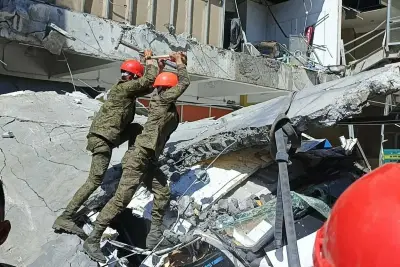
It is undeniable that the Cebu City Government is currently confronting a significant challenge in managing its waste effectively. This situation has escalated dramatically since the tragic "trash slide" at the Binaliw landfill on January 8, 2026, which claimed the lives of 36 individuals. The closure of this critical facility has forced garbage trucks to undertake long-distance trips to Consolacion City, resulting in severe delays in collection and causing garbage to accumulate on the streets.
Government Proposals and the Search for Concrete Solutions
Amid various suggestions, including the adoption of "waste-to-energy" methods and the potential revival of the old Inayawan landfill, the local government has yet to identify a definitive and concrete solution to this pressing issue. However, as we await decisive action from authorities, it is imperative that Cebuanos do not remain passive observers. The time has come for residents to proactively seek ways to alleviate the environmental burden in our communities.
Empowering Households Through Effective Waste Segregation
One of the most impactful and immediate solutions lies in the practice of household waste segregation. Instead of combining all waste materials, it is far more beneficial to separate plastics and other recyclable items for potential sale. This approach not only provides an opportunity for additional household income but also significantly reduces the volume of waste that needs to be transported and processed by the city.

Transforming Biodegradable Waste into Valuable Resources
On another front, biodegradable waste such as fruit peels and vegetable scraps should not be discarded thoughtlessly. These materials can be effectively converted into organic compost, offering a sustainable alternative. Research indicates that vegetable-based waste provides excellent nutrients for microorganisms that enhance soil health. Importantly, this method is non-pathogenic and poses no threat to human health.
The composting process is straightforward and accessible:
- Chop the waste into small pieces to accelerate decomposition.
- Ferment the mixture by placing it in a bucket with water at a 1:3 ratio, covering it loosely, and allowing it to sit for 7-10 days while stirring every 2-3 days.
- Strain the liquid after fermentation to create fertilizer, while the remaining solids can be buried directly in garden soil.
Community Discipline and Government Initiatives
Through these modest efforts, we can collectively contribute to maintaining a cleaner environment. There is no need to wait for miraculous interventions from the government. As responsible residents of Cebu City, we must cultivate self-discipline in our waste management practices.
Mayor Nestor Archival has provided residents with an opportunity to learn the new regulations before the enforcement of penalties begins. The city is currently conducting trial runs and educational sessions to teach people how to properly segregate waste, with this grace period extending until February 15. After this date, garbage trucks will primarily collect only biodegradable or properly sorted waste.
By March, the full implementation of the "no segregation, no collection" policy will commence, and individuals who fail to comply with the rules will face fines. This structured approach underscores the shared responsibility between the government and citizens in addressing Cebu City's waste management crisis.