Davao City Market Prices Remain Elevated Post-Holidays, Straining Household Budgets
Prices of essential food items such as rice, eggs, and seafood continue to hold at elevated levels in Davao City's wet markets, maintaining a steady trend weeks after the holiday surge that began in late 2025. Market vendors and recent price data as of January 19, 2026, indicate that these high costs are placing significant pressure on household budgets, particularly as families navigate the start of the school year.
Rice Prices Show Mixed Trends with Local Varieties on the Rise
Rice prices across Davao City present a varied picture, with some rates stabilizing while others, especially for locally produced varieties, experience targeted increases. Suppliers are reportedly adjusting margins to better support farmers, contributing to the upward trend.
"Prices of local products have really gone up since the latter part of last year until now," noted John, a rice vendor at Agdao Public Market, highlighting that parents and elderly shoppers constitute the majority of buyers.

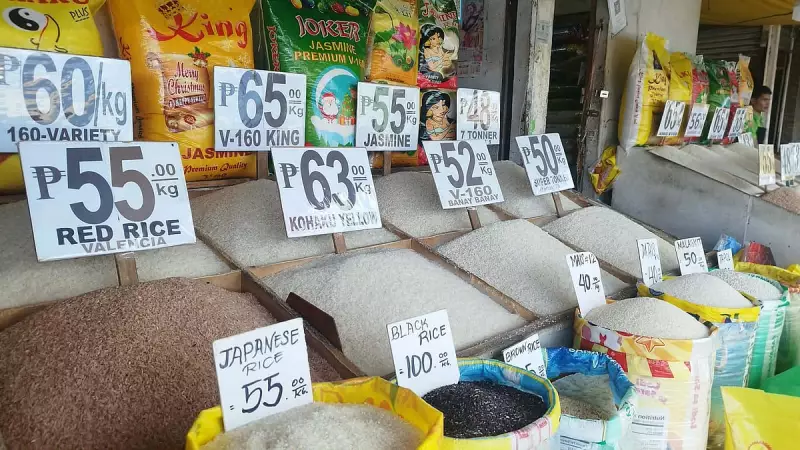
At Agdao Public Market, specific rice prices include:
- Kohaku Yellow rice at ₱63 per kilo
- Jasmine and brown rice at ₱55 per kilo
- Malagkit and Super Tonner Banay-Banay at ₱50 per kilo
- V-160 Banay-Banay at ₱52 per kilo
- Tapol at ₱150 per kilo
Comparing December 2025 to January 2026, imported premium rice saw a slight increase, with average prices rising from ₱58.20 to ₱59.60 per kilo. Local rice varieties also recorded modest gains:
- Premium local rice increased from an average of ₱49.10 to ₱44.40 per kilo
- Well-milled local rice rose from ₱43.20 to ₱44.40 per kilo
- Regular-milled local rice climbed from ₱37.90 to ₱38.80 per kilo
Egg Prices Remain High Since Christmas Season
Egg prices, which surged during the Christmas period, have not shown signs of decreasing, according to vendors. "Prices are set by suppliers, and we have not seen any decrease since Christmas," explained Agdao vendors Jhon and Honey.
Current egg prices stand at ₱10 per piece, ₱120 per dozen, and approximately ₱300 per tray, depending on size. During the peak holiday season, prices reached as high as ₱20 per piece.
Detailed price increases from December 26, 2025, levels include:
- Pewee and extra-small eggs rose from ₱7 to ₱10 per piece
- Small eggs increased from an average of ₱7.70 to ₱10
- Medium eggs climbed from ₱7.88 to ₱10
- Large eggs went up from ₱8.46 to ₱10
- Extra-large eggs rose from ₱8.90 to ₱10
- Jumbo eggs increased from ₱9.80 to ₱10
A dozen eggs now costs ₱120, up from a range of ₱84 to ₱118 last month, while trays have increased to ₱300 from ₱210 to ₱294. Retailers attribute the sustained demand to families preparing meals and school lunches.
Seafood Supply Disrupted by Weather and Demand
Seafood prices have also remained elevated, driven by persistent holiday demand and supply challenges caused by erratic weather conditions. "Prices remain high because supply is difficult. Local fishermen are struggling due to unpredictable weather," said Marissa, a seafood vendor at Agdao Public Wet Market.
Hazel, a vendor at Bangkerohan Wet Market, mentioned that customers frequently inquire about the lack of price relief, but sellers continue to face limited availability.
Common seafood prices in January 2026 include:
- Bangus and tilapia: ₱120 to ₱160 per kilo
- Matambaka: ₱200 per kilo
- Moro-moro: ₱100 per kilo
- Bilong-bilong: ₱150 per kilo
- Pasayan: ₱180 to ₱250 per kilo
- Imbao shells: ₱400 per kilo
Compared to December 2025, prices have shown increases:

- Large bangus rose from ₱188 to ₱192.50 per kilo
- Medium bangus increased from ₱180 to ₱185 per kilo
- Tilapia climbed from ₱112 to ₱118 per kilo
- Pusit went up from ₱159 to ₱163.33 per kilo
- Yellowfin tuna rose from ₱308 to ₱315 per kilo
- Tamban remained steady at ₱140 per kilo
Households Feel the Strain Amid School Year Start
The sustained high prices continue to strain household budgets across Davao City, exacerbated by school-related expenses at the beginning of the academic year. Vendors report that demand linked to the opening of classes has helped maintain firm pricing.
Market observers note that some price increases, particularly for local rice, are intended to support farmers and suppliers. Meanwhile, seafood costs remain vulnerable to weather-related supply disruptions that are beyond market control.
Stakeholders suggest that prices may stabilize later in 2026 if weather patterns improve, harvests increase, and supply chains normalize. For now, shoppers remain cautious, hoping for economic relief as the year progresses.