Davao's Growing Food Waste Problem: A Silent Health Crisis
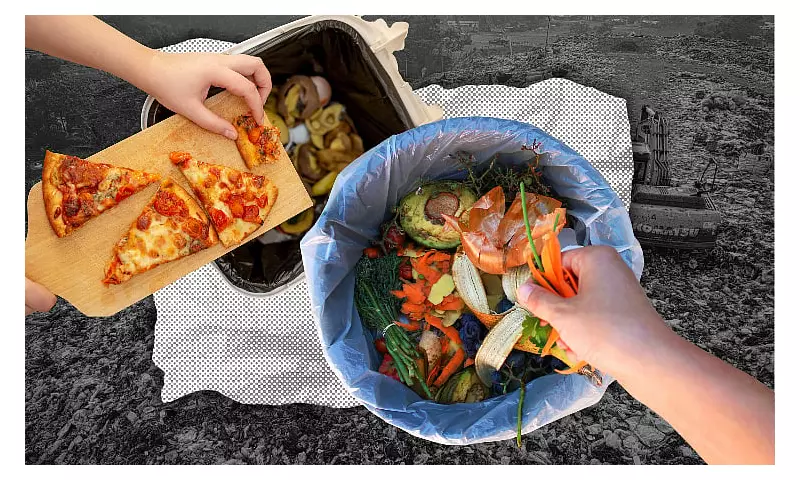
Many residents in Davao mistakenly consider food scraps harmless and believe they can be disposed of anywhere, but environmental and medical experts are sounding the alarm about the serious consequences of improper food waste management.
Olive Puentespina, CEO of Davao Thermo Biotech Corporation, emphasized that daily food waste accumulation requires consistent management. Her company specializes in circular biodegradable waste management using composting technology with bacteria to convert waste into natural fertilizer.
"Since we generate food waste daily through our eating habits, failure to manage it properly leads to overwhelming garbage accumulation," Puentespina warned. "This attracts flies, maggots, mosquitoes, rodents, cockroaches, and other pests that pose significant health risks."

Disease Transmission Cycle: From Food Waste to Family Health
Dr. Michael "Mike" Jamiana, medical director of Brokenshire Medical Center, explained that these pests serve as disease carriers or vectors in the medical field, transmitting infectious diseases through a dangerous cycle.
"When surroundings become dirty due to food scraps, flies landing on garbage can pick up bacteria like Salmonella," Dr. Jamiana detailed. "These flies then transfer bacteria to human food, potentially causing illness in children who consume contaminated meals. The cycle continues when other flies land on exposed waste and transfer bacteria to additional food sources."
He further noted that rodents present another significant health threat. "We can contract diseases from rats, with leptospirosis being a prime example of illnesses transmitted through these pests," the medical director added.
Economic Impact on Davao Households
The disease transmission cycle creates substantial economic burdens for families through hospitalization costs and medical expenses.
A Metro Manila study conducted by Joseph Arbiol and colleagues, titled "Valuing Human Leptospirosis Prevention," revealed that leptospirosis outbreaks following flood events result in significant household treatment costs and productivity losses. The research underscores the economic importance of disease prevention for affected families.
Globally, research by Suneth Agampodi confirms that leptospirosis causes "significant productivity losses and direct medical costs," with low-income households bearing the disproportionate burden.
The World Bank's report on "Economic Impacts of Poor Sanitation in the Philippines" estimates that illnesses resulting from inadequate waste management cost approximately $1.4 billion annually in lost productivity and household expenses.
Community Initiatives and Solutions
Despite clear evidence, proper waste segregation and disposal remain challenging in Davao communities. Puentespina acknowledged that educating residents about waste management presents difficulties, particularly without sufficient government support.
Her company assists the Davao City local government in implementing City Ordinance No. 0361-10, the Davao City Ecological Solid Waste Management Ordinance, by conducting educational talks, seminars, and workshops on proper segregation, disposal, and composting techniques.
However, Puentespina admitted that composting, while not a new concept, remains "unpopular" among many residents who often perceive it as labor-intensive.
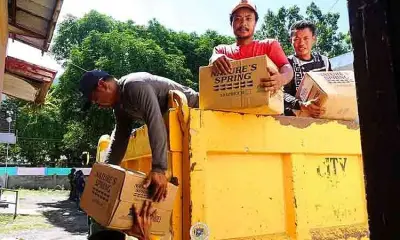
To address this challenge, Davao Thermo Biotech introduced the Yellow Drum Project. "We provide yellow drums to communities or establishments open to composting food scraps," Puentespina explained. "Households can place their 'lamaw' or spoiled leftovers in these containers."
The company's team conducts regular collections from these drums, either daily or every other day depending on fill rates, then converts the contents into organic fertilizer through composting processes.

Meanwhile, Brokenshire Medical Center has implemented its own solution in compliance with the city's Solid Waste Management Ordinance. Virginia Ponce, Infection Prevention and Control nurse at the medical center, explained their initiative: "During the African Swine Fever outbreak in 2016, the city government prohibited feeding food scraps to pigs to protect pig farms. This prompted the hospital to dig a man-made pit to contain our food waste."
A Collective Responsibility for Healthier Communities
Puentespina emphasized that waste reduction efforts, whether for biodegradable or non-biodegradable materials, should become part of daily consciousness for all Davao residents.
"Proper waste management benefits not only our immediate communities but also the planet we share," she concluded. "Environmental health directly impacts every aspect of human life and wellbeing."
The connection between food waste management and animal health will be explored further in upcoming expert discussions on this critical environmental and public health issue.