Davao City Extends Free Bus Service Amid Rising Fuel Costs
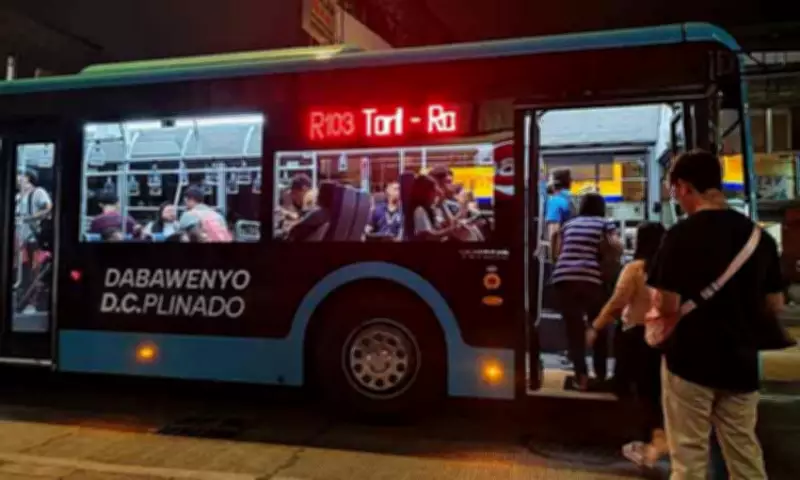
Commuters in Davao City are increasingly turning to public transportation as fuel prices continue to climb, driven by ongoing conflicts in the Middle East. In response, the Davao City Government has announced that the Davao City Interim Bus Service (DIBS) will maintain its free ride program, providing relief to residents opting for buses over private vehicles. This initiative comes as the city grapples with broader transportation challenges, including delays in the ambitious Davao Bus Project (DBP).
Land Acquisition Hurdles Delay Davao Bus Project Implementation
The Department of Transportation (DOTr) has identified land acquisition as a major obstacle in rolling out the Davao Bus Project, formerly known as the High Priority Bus System (HPBS). Richard Walter K. Villanueva, deputy project manager at DOTr, stated that the first phase of the project is now targeted for implementation in the third or fourth quarter of 2027, with full completion expected by late 2028 or early 2029. Villanueva emphasized that once land acquisition is finalized, operations can commence from Calinan to the central business district, marking a significant step forward in the city's transport modernization efforts.
New Terminals to Replace Existing Transport Hub
As part of the Davao Bus Project, three new terminals will be constructed, rendering the Davao City Overland Transport Terminal (DCOTT) obsolete upon full implementation. The proposed terminals are strategically located to serve passengers from various regions:

- Bunawan Terminal: For travelers from Davao del Norte and Davao de Oro.
- Toril Terminal: Catering to passengers from General Santos City, Cotabato, and Digos City.
- Calinan Terminal: Serving those coming from Cagayan de Oro and other areas.
Villanueva explained that provincial bus passengers will disembark at these terminals and transfer to Davao buses, streamlining intercity travel. Construction for the Calinan depot and terminal is set to begin this year, despite ongoing land acquisition processes elsewhere.
Government Push to Fast-Track Project Amid Delays
President Ferdinand "Bongbong" Marcos Jr. has expressed disappointment over the delays and instructed DOTr Secretary Vince Dizon to accelerate the Davao Bus Project. In a statement from July 2025, Dizon highlighted the project's potential as a game-changer for the country's public transport system, urging officials to overcome obstacles and expedite progress. The project's timeline has been adjusted multiple times, with initial plans for a partial rollout in late 2024 and full operations by 2025 now pushed back due to right-of-way issues and post-pandemic adjustments.
Funding and Trust Fund Establishment for Davao Bus Project
The 21st Davao City Council has approved a trust fund ordinance to support the Davao Bus Project, serving as the city's counterpart funding in partnership with the Asian Development Bank (ADB), DOTr, and the national government. Atty. Tristan Dwight Domingo, assistant city administrator and project manager, clarified that the P1.5 billion trust fund will be released in phases until 2030, based on annual requirements, and sourced from local revenues. This fund addresses a shortfall in the initial budget request, with the DOTr seeking P14 billion but receiving less than P2 billion from the Department of Budget and Management (DBM).
Project Overview and Future Prospects
The Davao Bus Project is a P76-billion initiative designed to create a 672-kilometer integrated bus network. Key features include:
- Five depots and three terminals.
- A driver training academy and 1,074 bus stops.
- A fleet of 380 electric buses and 720 Euro V diesel buses.
- Intelligent transport technology and automated fare collection systems.
Co-financed by the ADB, national government, and Davao City Government, with contributions totaling around P20 billion from the city, the project aims to set a national benchmark for sustainable urban transport. Despite delays, officials confirm that funding is secured, and the project remains on track to revolutionize public mobility in Davao City.