The Department of Social Welfare and Development Field Office in Western Visayas (DSWD 6), through its Disaster Response Management Division (DRMD), has prepared P178.27 million worth of standby funds and relief stockpiles across the region as part of its preparedness measures for the anticipated effects of El Niño, La Niña, and the upcoming rainy season.
Virtual Meeting Highlights Preparedness Efforts
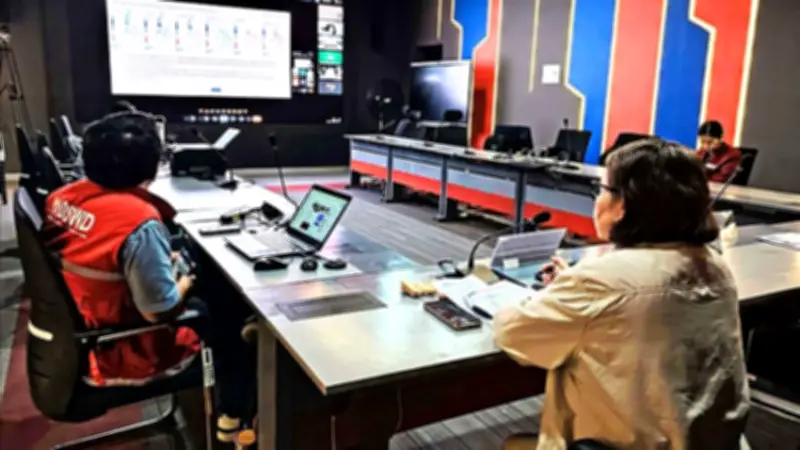
The report was presented during a virtual meeting on June 4, 2026 organized by the Disaster Response Management Group (DRMG), which gathered regional directors, Disaster Response Management Division chiefs, and designated focal persons from all DSWD field offices nationwide to discuss preparedness and response measures for climate-related hazards.
Representing DSWD 6 were Assistant Regional Director for Operations Katherine Joy Lamprea and DRMD Division Chief Luna Moscoso under the leadership of Regional Director Joselito Estember.

Key Preparedness Measures
During the meeting, DSWD 6 outlined its ongoing initiatives aimed at minimizing the impact of disasters and ensuring the timely delivery of humanitarian assistance to affected communities throughout Western Visayas. Among the preparedness measures highlighted were the continuous prepositioning and stockpiling of food and non-food relief items in strategic locations, regular inventory and quality inspections of supplies, and the maintenance of standby funds and response assets.
As of June 3, 2026, the agency had secured P178.27 million in standby resources to support local government units during emergencies and disasters. The resources consist of P113.26 million worth of 187,450 Family Food Packs, P29.29 million worth of 34,812 Ready-to-Eat Food items, P32.72 million worth of non-food items, including family kits, hygiene kits, sleeping kits, kitchen kits, modular tents, and laminated sacks, and P3 million in standby funds.
Strategic Prepositioning
To ensure rapid deployment during emergencies, the resources have been strategically prepositioned at the regional warehouse and 74 local prepositioned sites throughout Western Visayas. The field office also reported efforts to strengthen camp coordination and camp management through continuous evacuation center monitoring, capability-building activities for local government units, and the distribution of child-friendly and women-friendly space kits to priority local government units.
Climate Resilience Programs
In addition to disaster preparedness measures, DSWD 6 continues to implement Project Lawa (Local Adaptation to Water Access) and Binhi (Breaking Insufficiency through Nutritious Harvest for the Impoverished), programs designed to improve climate resilience and food security among vulnerable sectors.
Through the Disaster Response Management Division, the agency allocated P71.05 million for the sustained implementation of the projects, benefiting 6,925 partner beneficiaries across 24 cities and municipalities in Antique, Iloilo, Capiz, Guimaras, and Negros Occidental. The program covers six municipalities in Antique: Barbaza, Culasi, Pandan, San Remigio, Sebaste, and Sibalom; eight localities in Iloilo: Ajuy, Batad, Estancia, Lemery, Miag-ao, Passi City, San Dionisio, and Tubungan; two municipalities in Capiz: Cuartero and Dao; the municipality of Sibunag in Guimaras; and seven cities and municipalities in Negros Occidental: Calatrava, Candoni, Escalante City, Hinoba-an, San Carlos City, Sipalay City, and Toboso.
DSWD 6 said Project Lawa and Binhi serve as proactive interventions that address the impacts of environmental challenges by strengthening local water access systems and improving agricultural productivity, helping communities become more resilient to climate-related risks.
Additional Initiatives
The agency also reported participation in climate outlook forums and pre-disaster risk assessments, implementation of regionwide information campaigns on heat safety, and orientations for local government units on relief prepositioning and disaster reporting protocols. Meanwhile, the Regional, Provincial, City, and Municipal Quick Response Teams remain on standby and ready for deployment. Available response assets, including a Mobile Command Center and Mobile Kitchen, are likewise prepared for immediate use when necessary.

The June 4 meeting provided an opportunity for DSWD field offices across the country to share best practices, exchange updates, and strengthen coordination in preparation for the possible impacts of El Niño, La Niña, and other weather-related emergencies. Officials said the activity reinforced the Department's commitment to protecting vulnerable communities and ensuring that assistance reaches affected families promptly during times of disaster.