The Hidden Dangers of Swill Feeding in Philippine Hog Farms
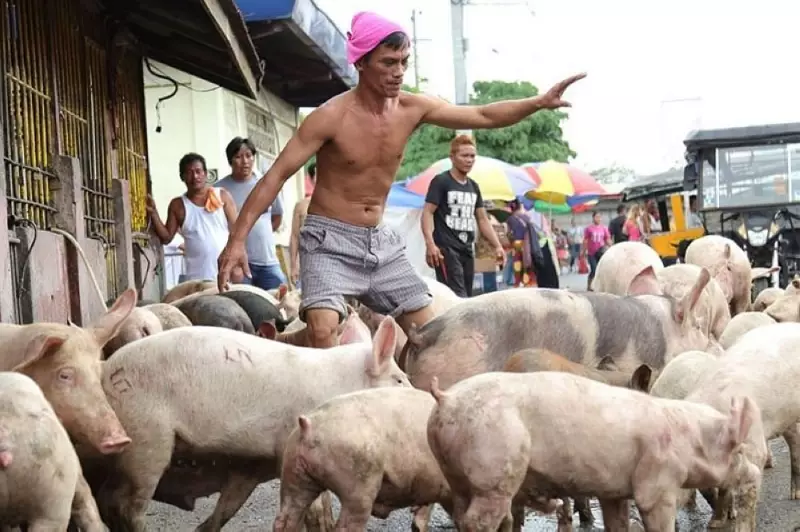
Many backyard hog farmers across the Philippines continue using food scraps as supplementary feed for their animals, unaware of the significant health risks this practice poses. While seemingly economical, this traditional method could compromise animal health and even devastate entire hog populations in neighboring areas.
Expert Warnings on Nutritional Deficiencies and Disease
Dr. Armie S. Capuyan, Regional Head of Disease Monitoring and Surveillance at the Department of Agriculture–Davao (DA-Davao), emphasizes that proper nutrition is crucial for animal health. Even with vitamin supplements, poor-quality feed can compromise animals' nutrition and increase disease susceptibility, according to the veterinarian.
Scientific research supports these concerns. A Food and Agriculture Organization journal notes that feed quality directly determines nutritional status and immunity, while the 2023 Animal Nutrition and Production journal confirms that poor-quality feed leads to nutritional deficiencies that reduce immunity.

Dr. Capuyan explains that food waste is often contaminated with bacteria or viruses from markets or improper processing. When fed to animals, these contaminated scraps not only lack nutritive value but can introduce disease-causing agents.
Zoonotic Threats and Economic Consequences
The situation becomes particularly concerning when diseases are zoonotic – transferable from animals to humans. Dr. Capuyan warns about the dangerous practice of slaughtering sick animals for consumption, which could expose humans to animal-borne diseases.
Dr. Renelee Subsuban from the University of Mindanao's Science Department echoes this concern, noting that leftover food consumed by stray animals can also harm their health and potentially transmit diseases to humans.
The economic impact is substantial. African Swine Fever (ASF) devastated the country's hog population, with the total swine inventory dropping from 12.71 million heads in 2018 to 9.86 million by September 2023. Since 2019, 89% of provinces have been affected, resulting in 5 million culled pigs and approximately ₱200 billion in economic losses.
In the Davao Region specifically, ASF outbreaks between February 2020 and January 2023 affected 193 barangays, impacting 10,605 backyard farms and leading to the culling of 45,957 pigs.
Composting as the Safe Alternative
Olive Puentespina, CEO of Davao Thermo Biotech Corporation, advocates for composting food scraps instead of using them as animal feed. Proper biodegradable waste management can help control disease spread to both animals and people.
Puentespina encourages households, particularly mothers who typically manage waste, to view food scraps as resources rather than problems. Composting at home creates fertilizer for vegetable gardens, turning a potential health hazard into a productive resource.
Dr. Capuyan acknowledges the economic pressures driving farmers to use swill, noting that commercial feeds are more expensive. However, she urges backyard farmers to prioritize proper feeding practices to avoid losing their livestock investments, especially since many raise hogs as savings for special occasions or emergencies.