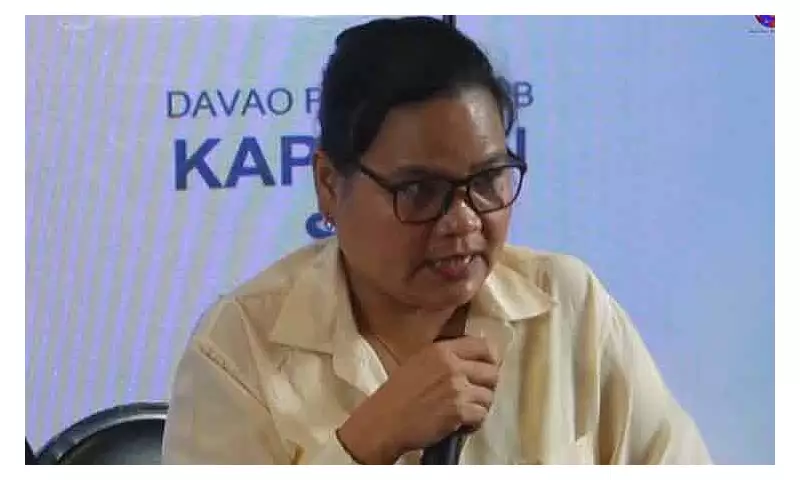
The Kalinaw Southeastern Mindanao Region (Kalinaw SEMR), a peace advocacy network formed by former rebels, is ramping up its drive to establish sustainable livelihood projects for its extensive alliance of people's organizations. With over 300 affiliate groups under its wing, the organization's primary focus is creating income-generating opportunities to ensure long-term stability for its members, often referred to as "Friends Rescued" (FRs).
Expanding Network and Urgent Livelihood Goals
Ida Marie Montero-Lubguban, president of Kalinaw SEMR, emphasized the growing scope of their mission. Their most urgent task is to find sustainable income-generating livelihood projects for the more than 300 people's organizations affiliated with them. These initiatives are designed not just to provide economic relief but to strengthen the groups' connections with various government agencies.
"Among trabaho karon mas nagkadako. Our most urgent task is mangita og sustainable income-generating livelihood projects for 300 people's organization," Montero-Lubguban stated, highlighting the critical need for economic empowerment.

As Kalinaw SEMR approaches its second anniversary on January 7, 2026, its alliance has grown significantly. It now encompasses approximately 3,500 Friends Rescued across Davao del Norte, Davao de Oro, Davao del Sur, Davao City, and certain areas of Bukidnon.
Active Role in Peacebuilding and Government Linkages
Kalinaw SEMR has moved beyond being passive beneficiaries of peace initiatives. The organization actively participates in provincial peace and order councils and development councils. In a landmark move, it holds a seat in the Joint Regional Task Force to End Local Communist Armed Conflict (JRTF-Elcac)-Davao, which is led by Secretary Leo Tereso Magno of the Mindanao Development Authority (MinDA).
"Makasaysayonon ni for FR organization sa atoang region," Montero-Lubguban remarked, noting the historic nature of this inclusion. She stressed that FRs are now active contributors to sustaining peace and safeguarding communities, not merely recipients of aid.
Looking ahead to 2026, the group plans to prioritize sectoral organizing, with a special focus on women and youth. This strategy is based on their experience that understanding the true concerns of these sectors builds stronger resistance against recruitment by insurgent groups like the CPP-NPA-NDFP.
Government Support Through Flagship Programs
The commitment to supporting former rebels is reinforced by government agencies. The Department of the Interior and Local Government (DILG)-Davao Region has reaffirmed its backing through two key programs: the Barangay Development Program (BDP) and the Enhanced Comprehensive Local Integration Program (E-Clip).
Assistant Regional Director Charissa Guerta explained that the BDP involves direct national government funding to municipalities for community-identified priority projects. In 2025 alone, 95 barangays received P2.5 million each, summing to a total of P237.5 million for infrastructure like farm-to-market roads.
Simultaneously, the E-Clip program continues to assist individual FRs with financial aid, livelihood support, and reintegration packages. To date, 141 beneficiaries have received assistance through this channel, providing a crucial pathway for former combatants to rebuild their lives within peaceful society.