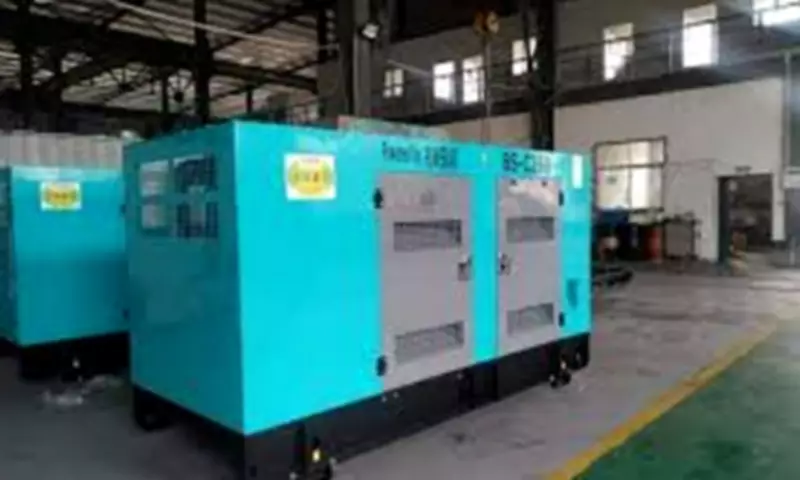
The Metropolitan Cebu Water District (MCWD) has deployed 50 generator sets to keep pumping stations operational during rotational brownouts triggered by the Visayas Grid Red Alert status and El Niño conditions. This emergency measure aims to prevent water service interruptions, but it underscores a deeper crisis: Metro Cebu now produces less than half the water its population requires.
Interdependence of Power and Water
Electricity and water are deeply linked in Cebu. MCWD relies on electric pumps to move water from deep wells and low-lying facilities, such as the Jaclupan site in Talisay City, to homes in elevated areas. When the power grid fails, water pressure drops almost instantly. The 50 generators provide a temporary shield, but they cannot fully compensate for the lost capacity.
“We have 50 generator sets ready to ensure the continued operation of our facilities during power interruptions,” said MCWD General Manager John Dx Lapid. His remarks followed one-hour rotational brownouts in parts of Cebu, Mandaue, Naga City, and San Fernando due to the Visayas Grid Red Alert.

While generators keep pumps spinning, they struggle to maintain the high pressure needed to reach distant homes. Additionally, major sites like Jaclupan are experiencing reduced output; daily production there has dropped from 25,000 cubic meters to 21,000 cubic meters due to the summer heat.
Critical Water Shortage
The most alarming statistic is the widening gap between demand and supply. Metro Cebu’s total water demand has surged to 600,000 cubic meters per day, but average daily production has fallen to just 264,000 cubic meters. This represents a 56 percent deficit even under stable grid conditions. Rotational brownouts eliminate the safety buffer, forcing the water district to ration a scarce resource.
Costly Safety Net
To bridge the gap, MCWD is turning to expensive alternatives, including desalinated water from the Opao facility in Mandaue City and additional supplies from the Carmen and Compostela systems. Desalination, which converts seawater into drinking water, requires substantial energy and is highly costly.
Despite rising expenses, MCWD is not increasing consumer rates. “As I mentioned earlier, if any problems arise with Metro Cebu South, we have desalinated water ready. Although this water is a bit more expensive, when it comes to public service, the Water District will do what is necessary,” Lapid said. By absorbing the higher costs, MCWD bets that El Niño and power issues will be short-lived.
Water Theft Exacerbates the Crisis
A third threat compounds the problem: water theft. In March alone, 140 cubic meters of water were stolen across the service area. While seemingly small, each stolen cubic meter acts as an open leak, robbing pressure from entire neighborhoods. With the system operating at half capacity, these losses are significant. MCWD has intensified monitoring of fire hydrants to ensure only authorized emergency tankers draw water.
Call for Public Cooperation
MCWD is linking multiple water sources to prevent system collapse. “Maningkamot gyud ang water district nga dili moabot sa punto nga walay tubig ang consumers,” Lapid said (The water district will do its best to ensure it does not reach the point where consumers have no water).
Meanwhile, Visayan Electric urges residents to reduce power usage during peak hours to avoid brownouts that force MCWD to rely on generators. Ultimately, keeping Metro Cebu’s water flowing depends on a stable power grid and the duration of hot weather. While the 50 generators provide local relief, they cannot replace a steady power supply. Consumers should prepare for temporary interruptions in high-elevation areas and conserve water to help close the 336,000-cubic-meter deficit.