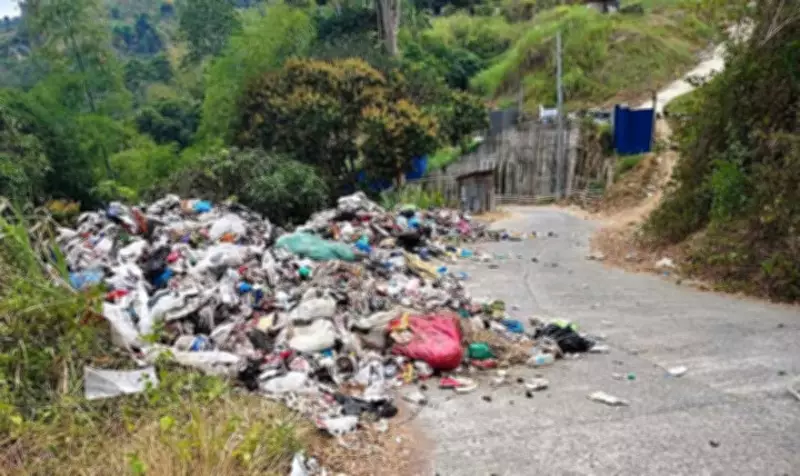
Residents in the mountain areas of Cebu City are deeply worried about the safety of their drinking water. A makeshift dump site full of mixed trash was recently discovered near a local ravine in sitio Dapdap, Barangay Kalunasan. This illegal dumping has triggered serious environmental alarms, as local families fear that harmful chemicals from the waste could soon poison their main water sources.
A Breakdown in Trash Collection
The illegal dump site was not caused by a few neighbors throwing away small trash bags. Instead, an inspection led by Councilor David Tumulak revealed a much larger, organized problem. Investigators found trucks from a private company and a vehicle belonging to the barangay itself at the site. This suggests that the very groups trusted to keep the community clean are the ones bypassing city rules.
Currently, Cebu City relies on a temporary transfer station at the South Road Properties (SRP) and a faraway landfill in Aloguinsan. Because the official disposal sites are so far away, local collection systems are buckling under the high weight of travel distances and operational costs.

Threats to the Local Water Supply
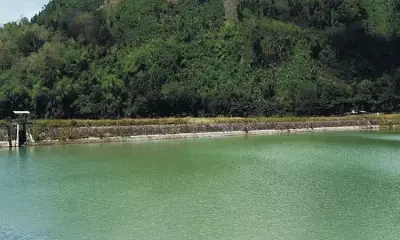
For the people living in sitio Dapdap, this problem directly threatens their health. The geography of Kalunasan means that any trash dumped near the cliff can easily slide into the creek below. When heavy rains hit Cebu, toxic liquid from the rotting trash, called leachate, washes straight into the community water source. The discovered piles contain a dangerous mix of electrical wires, plastics, and organic matter. This mixed garbage poses long-term risks to the groundwater that feeds local wells and springs.
Looking for Answers and Accountability
Why are these violations happening when the SRP transfer station is available? Councilor Tumulak suggested that some neighborhoods might simply be running out of money or fuel for the long trips. "It would be better if this stops and people stop dumping here. We do not know if the barangay may already be running out of fuel to transport garbage to the transfer station and instead chooses to dump it near the cliff. That is not good," Tumulak said.
Tumulak urged barangay officials to take full responsibility for proper waste management. He stated that if a barangay lacks the resources to haul waste, officials must formally coordinate with the Department of Public Services (DPS) for assistance.
Memories of the Binaliw Tragedy
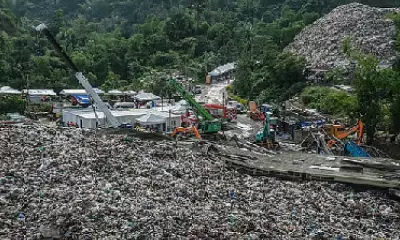
This environmental scare comes at a sensitive time for Cebu City. The community is still recovering from a tragic trash slide at the Binaliw landfill on January 8, which claimed 36 lives. Mayor Nestor Archival is currently reviewing safety validations to resume limited operations at Binaliw under strict guidelines from the DENR-EMB 7. However, the Kalunasan incident proves that just reopening a landfill will not solve the city's broader issues if local dumping in ravines continues.
Community Fears and What Happens Next
Local families remain the most vulnerable victims of this crisis. One resident, who asked to remain anonymous, noted that some families rely on the creek for drinking water, prompting fears over health risks and contamination. As a temporary fix, officials deployed a bulldozer to cover the waste and used six trucks to haul the garbage away. Now, the Department of Public Services and the City Council are investigating the exact involvement of the barangay and the electric company's contractors to ensure the highlands remain safe.