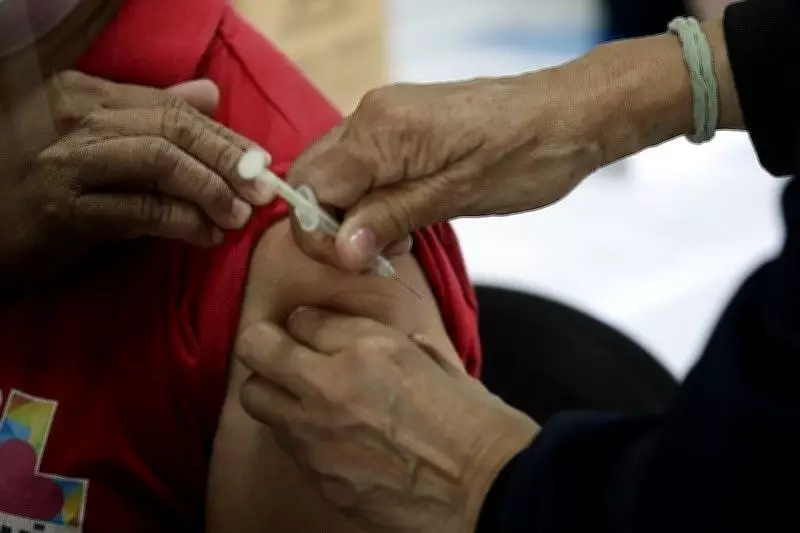
The Philippine Medical Association (PMA) has stated it will not oppose the reintroduction of dengue vaccines in the country, despite past controversies. PMA President Dr. Hector Santos emphasized that tools to combat the mosquito-borne disease should not be limited to existing control initiatives.
PMA's Stance on Dengue Vaccines
In a statement, Santos said, "Prevention strategies must continue to be strengthened and evolve alongside new innovations that become available globally." He added that any new intervention must undergo a thorough and science-based review to support informed decision-making and public confidence.
The Pharmaceutical and Healthcare Association of the Philippines (PHAP) echoed this sentiment. PHAP Executive Director Teodoro Padilla expressed support for allowing dengue vaccines as long as they have been approved by the Food and Drug Administration (FDA).

"Immunization remains among the most cost-effective public health interventions," Padilla said. He advocated for life-course protection by supporting access to vaccines that have been approved and are in use in other countries, in line with applicable regulatory requirements in the Philippines.
History of Dengue Vaccination in the Philippines
The country's last dengue vaccination campaign was in 2016, using Sanofi Pasteur's Dengvaxia. The program was halted after Sanofi revealed that the vaccine could put previously uninfected individuals at higher risk of severe dengue. Since then, several neighboring countries, including Indonesia, Malaysia, Thailand, and Vietnam, have granted regulatory authorization for dengue vaccines.
Currently, the "Qdenga" dengue vaccine by Takeda Pharmaceutical Company is under regulatory evaluation by the FDA in the Philippines.