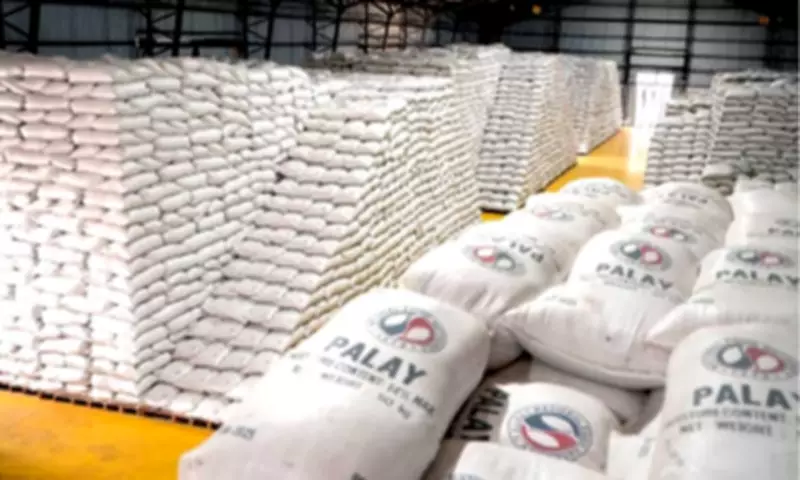
Rice Emergency Declaration Extended Through February 2026
The Department of Agriculture (DA) announced on Friday, January 30, 2026, that the food security emergency declaration for rice will remain in effect throughout February. This decision aims to continue efforts in stabilizing rice supply and managing retail prices across the Philippines.
Background and Rationale for the Emergency Measure
The food security emergency for rice was initially declared on February 3, 2025, in response to rising inflation rates that exceeded the government's four percent target for rice inflation. The primary goal of this measure is to help bring down retail prices of rice back to the levels seen before July 2023. By maintaining the emergency status, the government seeks to ensure adequate rice availability while balancing supply and demand dynamics.
DA Secretary's Statement on Current Situation
In an ambush interview, DA Secretary Francisco Tiu Laurel Jr. emphasized the necessity of retaining the emergency declaration. He stated, "As of the moment, while there's no new Rice Act yet, it should stay in effect because we need to properly manage our rice supply versus supply and demand." Secretary Tiu Laurel highlighted that without the new legislation, the emergency measure serves as a crucial tool for effective rice management.

Focus on Proposed Rice Act and Legislative Updates
Secretary Tiu Laurel also mentioned his intention to monitor the progress of the proposed Rice Act closely. He plans to seek updates from the House of Representatives to ensure the welfare of both farmers and consumers is protected. "I will actually seek an update soon from our House of Representatives," he added, underscoring the importance of legislative support in addressing long-term rice security issues.
Key Provisions of the Emergency Declaration
The food security emergency measure includes several provisions designed to enhance rice availability and affordability:
- Allows the sale of aging or soon-to-age but good-quality rice stocks from the National Food Authority through the Food Terminal Inc.
- Aims to prevent price spikes by managing inventory and distribution channels effectively.
- Supports efforts to mitigate inflation impacts on consumers, particularly in urban areas like Metro Manila.
Current Rice Price Trends in Metro Manila
According to the DA Bantay Presyo (Price Watch) as of Thursday, January 29, 2026, rice prices in Metro Manila vary by type and origin:
- Imported Rice: Premium imported rice sells at PHP45 to PHP60 per kilo, imported well-milled rice ranges from PHP43 to PHP50 per kilo, and imported regular-milled rice is priced between PHP35 and PHP46 per kilo.
- Local Rice: Local premium rice is available at PHP42 to PHP60 per kilo, while well-milled rice averages PHP45 per kilo and regular milled rice at PHP40 per kilo.
These price ranges reflect ongoing efforts to maintain affordability amidst supply challenges.
Implications for Food Security and Future Actions
The retention of the food security emergency underscores the government's commitment to addressing rice supply issues. By extending this measure, the DA aims to:
- Ensure stable rice prices for consumers during critical periods.
- Support farmers by managing market dynamics that affect their livelihoods.
- Pave the way for the implementation of the new Rice Act, which is expected to provide more sustainable solutions.
As the situation evolves, stakeholders will closely watch for updates on legislative developments and price trends to assess the effectiveness of these emergency measures.