Massive Agricultural Damage in Cebu's Mountain Barangays
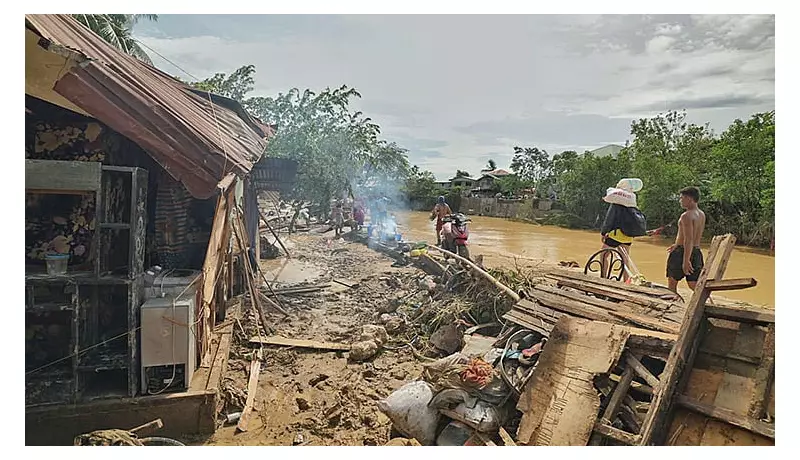
Typhoon Tino left a trail of destruction across Cebu City's mountain communities on November 4, 2025, causing approximately ₱47 million in damages to crops, livestock, and farm infrastructure. The severe weather event has left thousands of farmers struggling to recover their livelihoods in the aftermath.
Assessment Reveals Extensive Crop Destruction
According to the initial assessment from the City Agriculture Department (CAD), the typhoon destroyed more than 998 hectares of farmland across several barangays including Sudlon 2, Lusaran, Paril, Cambinocot, Guba, and Buot. The affected areas were primarily planted with corn, various vegetables, and banana crops that were devastated by the powerful winds and heavy rainfall.
CAD President Joey Baclayon confirmed that nearly 4,000 farmers have been affected by the disaster, many of whom depend entirely on farming to support their families. The typhoon also damaged critical irrigation systems that supply water to mountain farms throughout the city.

Recovery Initiatives and Market Stability
Despite the significant damage to the city's agricultural sector, Baclayon assured residents that vegetable supplies in Cebu City remain stable. He explained that Cebu City provides 40 to 50 percent of the vegetable supply, with any potential shortfalls being filled by nearby areas such as Dalaguete and Cagayan that were less affected by the typhoon.
The Department of Agriculture's price freeze on basic commodities is helping prevent price increases at Carbon Public Market and other retail locations throughout the city.
To support farmers in their recovery, the City Agriculture Department is coordinating with the Philippine Crop Insurance Corp. to expedite insurance claims for affected individuals. Insured crops and livestock are being evaluated immediately to ensure financial assistance reaches beneficiaries within the coming weeks.
The city government will also distribute vegetable seeds, drums, and other planting materials to help farmers restart their planting activities and begin the process of rebuilding their agricultural operations.