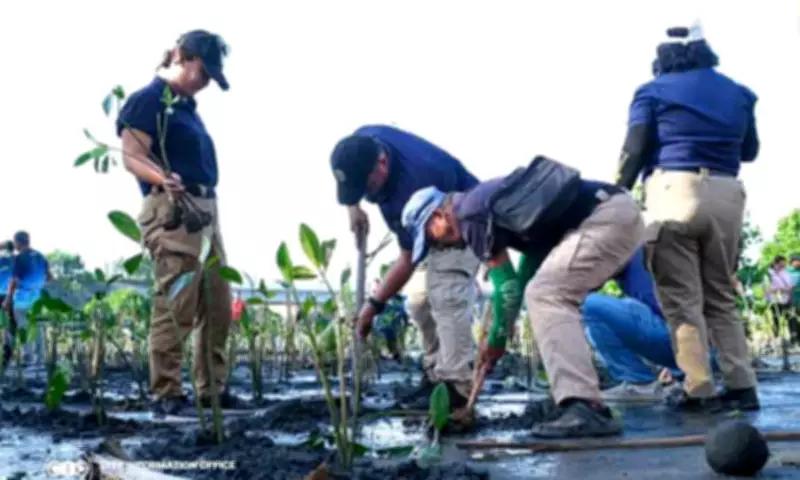
The Davao City Environment and Natural Resources Office (Cenro) celebrated Zero Waste Month with a significant environmental initiative, combining mangrove planting and coastal cleanup efforts. On January 29, 2026, city officials and dedicated volunteers gathered in Barangay Matina Aplaya to plant 2,300 mangrove trees, reinforcing the city's commitment to ecological sustainability.
Boosting Coastal Defense and Biodiversity
Engr. Jasper Castor, Division Head of the Natural Resources Operations Division at Cenro, highlighted the dual benefits of this activity. He explained to the City Information Office that mangroves serve as a natural barrier against disasters like large waves while enhancing marine biodiversity. "Our mangrove planting activity is important for the city of Davao. We need to plant mangroves along our coasts as a defense against natural disasters or natural hazards such as large waves, and our mangrove forests also cater to the biodiversity in our seas," Castor stated.
Aligning with Green City Vision
This initiative aligns with Davao City's vision of becoming a Green City, encouraging residents to participate in environmental activities. Castor urged Dabawenyos to engage in mangrove planting, tree planting, or coastal clean-ups to help protect the environment and stabilize shorelines for future generations.

Emphasizing Waste Management Discipline
Dan Reponte, Kagawad of Barangay Matina Aplaya, stressed the importance of discipline in waste management. He called for practices like segregation at home, separating non-useful, biodegradable, and plastic items. "We should take care of nature. Discipline must start in our homes, and let's practice segregation, separating what is no longer useful, biodegradable items, and plastics, that's really the most important thing," Reponte added.
Creating a Resilient Future
Cenro emphasized that cleaner coastlines enable mangroves to thrive, which in turn protects communities from natural disasters. This symbiotic relationship ensures a more resilient and sustainable future, highlighting the critical role of such initiatives in environmental conservation.