New Hope for Philippine Eagles in Davao de Oro's Mount Tambuyong
Mount Tambuyong in Davao de Oro has been identified as a potential sanctuary for the critically endangered Philippine Eagle, according to recent field surveys conducted by environmental authorities. The discovery brings renewed hope for the survival of the country's national bird, considered one of the rarest raptors worldwide.
Ideal Habitat Conditions Discovered
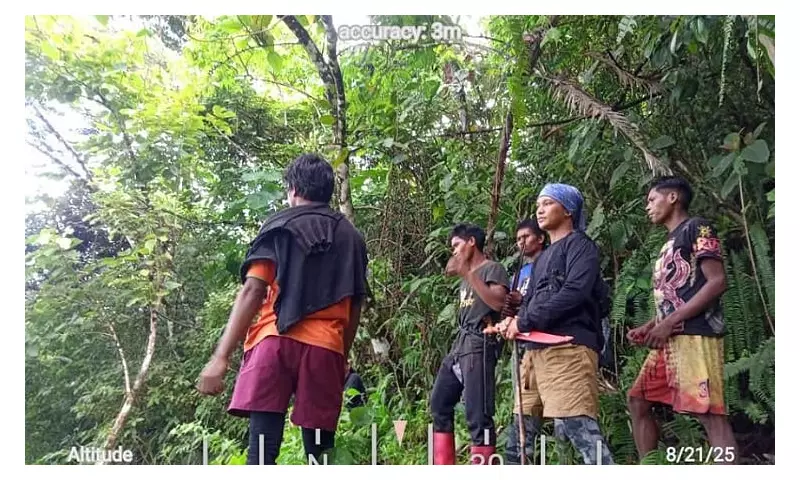
Recent joint field surveys by the Community Environment and Natural Resources Office (CENRO) Monkayo, in partnership with the Philippine Eagle Foundation (PEF) and the Municipal Environment and Natural Resources Office (MENRO) Compostela, revealed that Mount Tambuyong's ecological characteristics make it perfectly suited for supporting Philippine Eagle populations.
The area features richly forested landscapes with dense canopy cover and abundant food sources, creating ideal living conditions for the majestic raptor. The mountain's rugged terrain, characterized by steep hills and deep valleys, provides excellent nesting and hunting grounds that the species requires for survival.

Survey teams noted that Mount Tambuyong's forests remain largely undisturbed, offering sprawling tree canopies, secluded valleys, and consistent prey availability. These factors combine to create what conservationists describe as a perfect environment for the Philippine Eagle to thrive.
Understanding the Philippine Eagle's Needs
The Philippine Eagle depends on large, continuous tracts of primary lowland and montane forests to survive and reproduce successfully. These massive birds require expansive territories ranging from 25 to 50 square kilometers per adult eagle, highlighting the critical importance of preserving vast forest areas like Mount Tambuyong.
Their survival depends on specific habitat features including massive trees for nesting sites and access to diverse prey including small mammals, birds, and reptiles. The discovery that Mount Tambuyong meets these stringent requirements marks a significant breakthrough in conservation efforts.
Davao de Oro's diverse topography, spanning rugged mountain ranges, rolling hills, and fertile valleys, provides ideal conditions not only for eagles but also for numerous endemic species. The province's northern and central regions feature steep mountains and deep gorges, while southern lowlands contain river systems and agricultural plains.
Conservation Plans and Future Steps
The field team has recommended conducting a comprehensive biodiversity survey to map potential nesting sites and calculate a biodiversity index for Mount Tambuyong. These measures will help assess the area's ecological health and guide future conservation initiatives.
CENR Officer Gretel B. Basoc emphasized that protecting the Philippine Eagle extends beyond saving a single species, noting that the eagle's presence indicates overall ecosystem health. Similarly, PENR Officer Rita Fe C. Gunn described the Philippine Eagle as a powerful symbol of forest conservation and environmental stewardship.
"Protecting this species is synonymous with protecting the forests that sustain life," Gunn stated, adding that these findings reinforce the importance of continued efforts to preserve Davao de Oro's forests and biodiversity.
Future conservation strategies include collaborations with universities and research institutions to enhance monitoring capabilities and develop long-term protection plans. The identification of Mount Tambuyong as potential eagle habitat strengthens calls for community engagement, sustainable forest management, and proactive conservation measures.
By prioritizing the protection of this majestic bird and its environment, conservationists believe the province moves closer to ensuring that its forests, wildlife, and natural heritage thrive for generations to come.