In a significant discovery for Philippine biodiversity, a team of local and international scientists has officially identified a new species of carnivorous pitcher plant endemic to the island of Palawan. However, the celebration is tempered by a stark warning: the plant, named Nepenthes megastoma, is already on the brink of extinction.
A Botanical Discovery in Inaccessible Terrain
The new species was found exclusively within the rugged karst landscapes of the Puerto Princesa Subterranean River National Park. Researchers, including lead author John Charles Altomonte, noted that the plant thrives on steep cliff sides, an environment so challenging that drones and long-range cameras were essential for its documentation. Ecologists first observed these plants in 2013 but initially mistook them for a known species from Borneo, N. campanulata.
It was only after extensive fieldwork, aerial drone surveys, and meticulous study that the team could confirm they had found a species new to science. The plant's name, derived from Greek meaning "large mouth," references its distinctive pitchers.

Remarkable Adaptations for Survival
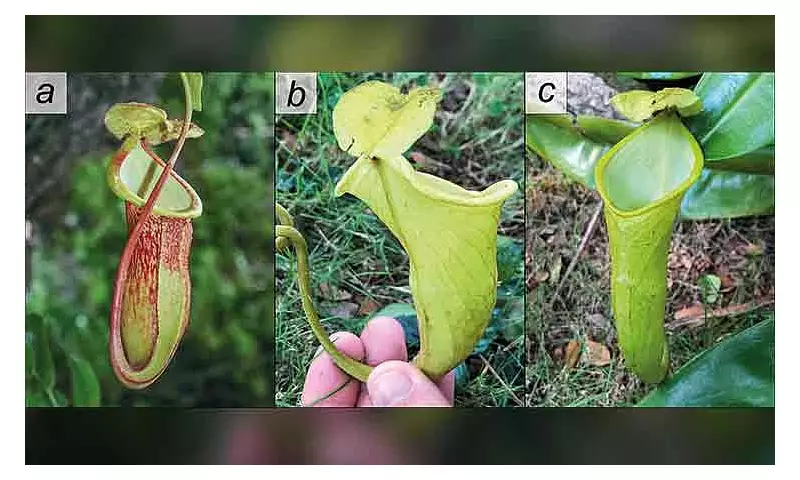
Nepenthes megastoma exhibits fascinating adaptations to its harsh cliffside home. Its female flowers point upward to aid in vertical pollination, and a fuzzy coating on the plant helps capture precious rainwater. Perhaps most intriguing is the pitcher's shape-shifting nature; it transitions between a wider, flared form and a slimmer, elongated one, possibly as a seasonal strategy for water retention.
"It's amazing that these plants have evolved to survive in such difficult and inaccessible conditions," said researcher John Charles Altomonte. He highlights the cruel irony that, despite this hardiness, human activity now poses the greatest threat.
A Precarious Existence and Imminent Threats
Despite its specialized adaptations, the plant's future is highly uncertain. The scientists estimate the total population consists of a mere 19 mature clumps and about 12 non-flowering plants, translating to fewer than 50 known mature individuals. This tiny population qualifies it for a Critically Endangered classification under International Union for Conservation of Nature (IUCN) guidelines.
The threats are multifaceted and severe:
- Climate Change: Increasing frequency and severity of typhoons and droughts.
- Human Encroachment: Deforestation and expanding settlements around the national park.
- Poaching: Illegally harvested specimens are already being sold in Metro Manila.
The study, authored by John Charles A. Altomonte, John Paul R. Collantes, Vernaluz Mangussad, Rene Alfred Anton Bustamante, and Alastair S. Robinson, was published in the journal Phytotaxa in November 2025. It underscores the rich yet fragile state of Philippine biodiversity, where a species can be discovered and declared critically endangered in the same breath, calling for urgent conservation action.