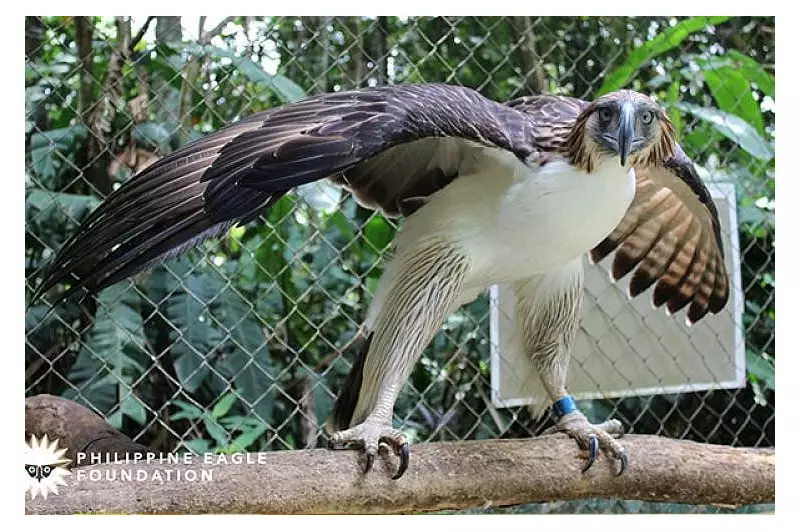
A groundbreaking scientific study has delivered a stark warning about the future of the Philippine Eagle, the country's national bird. Research confirms that populations in the Greater Mindanao Faunal Region exhibit alarmingly low genetic diversity, a critical factor pushing the majestic raptor closer to extinction.
Study Reveals Critical Lack of Genetic Diversity
Conducted by scientists from the University of the Philippines Mindanao–Philippine Genome Center (PGC) and the Philippine Eagle Foundation (PEF), the study analyzed the mitochondrial genomes of 32 Philippine Eagles. These birds are housed at PEF's two facilities in Davao City: the Philippine Eagle Center (PEC) in Malagos and the new National Bird Breeding Sanctuary (NBBS) in Barangay Eden.
The findings, published on December 16, 2025, show that the limited genetic variation among these eagles severely restricts their ability to adapt to environmental changes. This makes the entire species highly vulnerable to being wiped out by a single threat, such as a new disease or the impacts of climate change.

A Glimmer of Hope in Captive Breeding
Despite the concerning overall picture, the research also uncovered a crucial beacon of hope. The collection of captive Philippine Eagles managed by the PEF retains a high diversity of maternal lineages, known as haplotypes. This includes rare bloodlines from eagles that were bred and hatched within the center's facilities.
Remarkably, the captive-bred eagles carry all 17 distinct haplotypes detected in the entire study. This indicates that the current breeding stock preserves much of the remaining known genetic variation for the species, forming a vital lifeline for its future.
Distinct Lineages and Conservation Implications
The mitochondrial DNA (mDNA) analysis, which traces inheritance from the mother, helped identify two main genetic clusters among the eagles. Researchers pinpointed three particularly unique haplotypes. One of these was found in a bird from the Samar Island Natural Park.
Other key biodiversity areas, including Mount Busa in Sarangani Province, Mt. Kampalili-Puting Bato on the border of Davao del Oro and Davao Oriental, and Mt. Pantaron, also showed eagles with significant genetic distinctiveness. These unique maternal lineages are invaluable for managing the breeding program of this critically endangered species.
The study underscores the dual reality facing the Philippine Eagle: a precarious wild population on the brink, yet a managed captive population that holds the key to genetic salvation. It highlights the indispensable role of conservation breeding in ensuring that the iconic Philippine Eagle does not vanish from the skies.