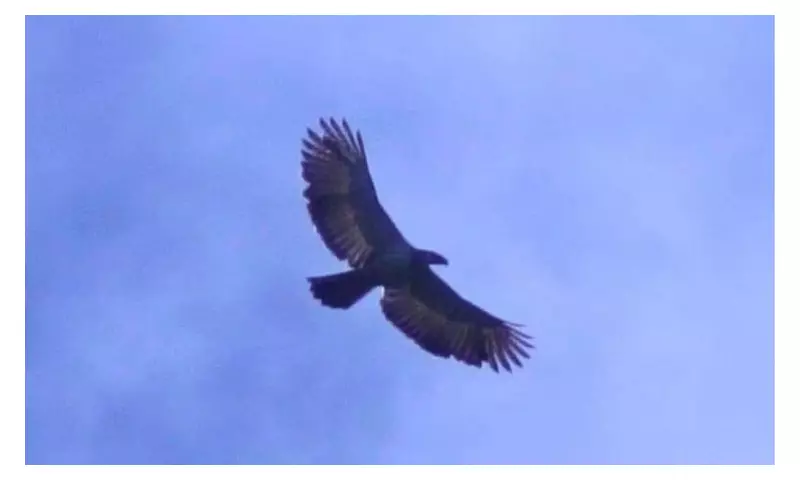
In an exciting development for wildlife conservation, the majestic Philippine Eagle has been sighted again after a two-year absence from its natural habitat. The rare raptor was observed soaring over Mount Sinaka in Cotabato during regular monitoring activities conducted from November 4 to 7, 2025.
Majestic Return After Long Absence
The Department of Environment and Natural Resources (DENR) Soccsksargen confirmed the significant sighting in a press release dated November 13. The magnificent bird of prey was seen flying along the forest edges of Mount Sinaka, marking its triumphant return to an area where it hadn't been recorded for exactly two years.
Wildlife experts have proposed several explanations for the eagle's previous disappearance. According to conservation specialists, the temporary absence could be attributed to the eagle's search for better food sources, seasonal movement patterns, avoidance of competition with other predators, or the natural dispersal behavior typical of young eagles establishing their territories.

Critical Habitat for National Treasure
Mount Sinaka represents a vital stronghold for the Philippine Eagle despite being the smallest known natural habitat for the species. This key biodiversity area spans only 1,500 to 2,000 hectares but provides essential nesting grounds, abundant food sources, and protective shelter not just for breeding pairs of the national bird but also for numerous other wildlife species.
The area's designation as a critical habitat has proven crucial for conservation efforts. This official status has unlocked essential funding and resources that support ongoing research, conservation programs, and sustainable management practices. Conservationists emphasize that these initiatives are fundamental for ensuring the survival of the Philippine Eagle and other endangered species that share this ecosystem.
Precarious Population Status
Current data from the Philippine Eagle Foundation reveals the alarming reality facing this iconic species. Fewer than 400 breeding pairs remain in the wild, translating to approximately 800 individual eagles struggling for survival in their natural habitats. The foundation maintains additional conservation measures through its Philippine Eagle Center in Malagos, which houses more than 25 captive eagles, while breeding birds are carefully managed at the National Bird Breeding Station.
The primary threat confronting the Philippine Eagle continues to be forest loss, which systematically destroys the essential habitats required for nesting, hunting, and raising young. As one of the rarest eagles globally, found exclusively on four Philippine islands, the species faces an uncertain future. Both the DENR (through DAO 2019-09) and the International Union for Conservation of Nature classify the Philippine Eagle as critically endangered, highlighting the urgent need for continued conservation action.