The world's attention turns to Belem, Brazil as the 30th Conference of Parties (COP30) to the United Nations Framework Convention on Climate Change (UNFCCC) convenes from November 10-21, 2025. This critical gathering represents the annual checkpoint where nations assess global progress against climate change commitments made under the Paris Agreement.
Climate Injustice: Philippines Bears Disproportionate Burden
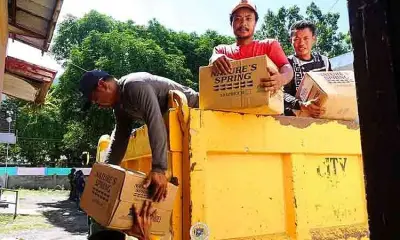
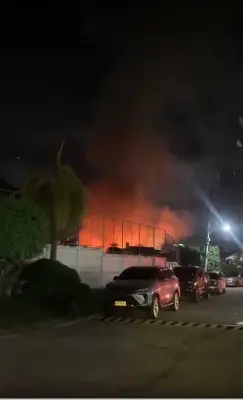
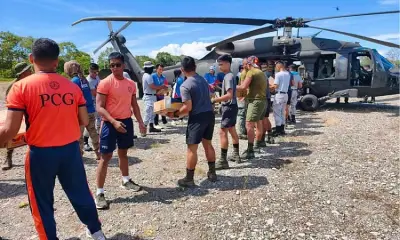
Developing nations like the Philippines face a cruel paradox in the climate crisis. While contributing minimally to global carbon emissions, our archipelago suffers the most severe consequences of climate change. This harsh reality was recently demonstrated by Typhoon Tino, which evoked traumatic memories of Super Typhoon Yolanda (Haiyan) and Typhoon Uwan.
The devastation from these increasingly powerful storms underscores the urgent threat facing our island nation. More typhoons of similar intensity continue to threaten the Philippines, putting communities and infrastructure at risk of permanent damage.

The Double-Edged Sword of Climate Commitments
The Nationally Determined Contributions (NDC) established by the 2016 Paris Agreement require significant emission reductions from all countries, including developing nations like the Philippines. While these cutbacks are essential for combating climate change globally, they present a complex challenge for nations still working to improve quality of life and achieve industrialization.
This creates an uneven playing field where countries that completed their industrialization earlier face fewer constraints on their development path. The Philippines must balance climate responsibility with the legitimate need to uplift living standards for its people.
COP30: Philippines Takes Center Stage in Climate Justice Fight
COP30 represents a pivotal opportunity for the Philippines to demand climate justice and accountability. The conference isn't merely about adjusting emission targets—it's about recognizing historical responsibility and ensuring fair treatment for nations disproportionately affected by climate change.
A key battleground at the summit is the Loss and Damage Fund, a mechanism designed to provide financial support for irreversible climate impacts already affecting vulnerable nations. The Philippines holds a position of significant influence as the host of the Fund's Board, placing our country at the forefront of the climate justice movement.
The Philippine delegation isn't asking for charity. Instead, they're demanding larger investments to scale up existing local solutions, including:
- Expanding renewable energy auctions
- Supporting community-led mangrove restoration projects
- Funding climate adaptation initiatives that build on local knowledge
The world watches as COP30 unfolds, knowing that the outcomes will judge every nation's commitment to the Paris Agreement. For the millions of Filipinos already experiencing the climate catastrophe's effects, this conference represents more than policy discussions—it's about delaying environmental apocalypse and securing our right to a future.
Survival remains the baseline, but the Philippines fights for more than mere existence. We champion the right to thrive in a world where climate justice prevails, and where our calls for action no longer fall on deaf ears.