Philippines Considers Revising Climate Cycle to Include Extreme 'Super Dry' and 'Super Wet' Seasons
The Climate Change Commission (CCC) is pushing for a significant update to the Philippines' climate cycle, proposing the inclusion of "super dry" and "super wet" seasons alongside the traditional dry and wet periods. This move aims to better reflect the increasingly extreme weather patterns observed in recent years, which have profound implications for national policy and disaster response.
Rethinking Traditional Seasons in the Face of Climate Extremes
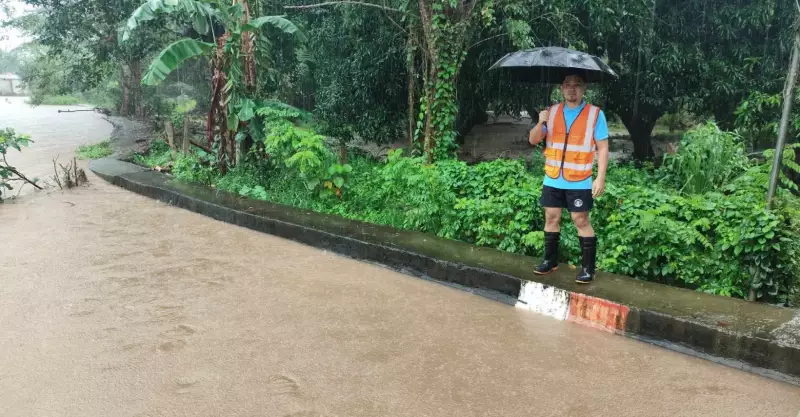
According to CCC Senior Commissioner Albert dela Cruz, the country's climate can no longer be adequately described by just the typical summer and rainy seasons. He emphasized that the emergence of "super dry" and "super wet" seasons should be formally recognized to develop more effective policies for tackling weather-related challenges. This reclassification is based on observations showing that some areas now experience flooding for entire months during wet periods, while dry spells are becoming longer and more intense, severely drying out the soil.
Collaborative Efforts for Climate Adaptation
The CCC plans to coordinate with the Philippine Atmospheric, Geophysical and Astronomical Services Administration and other government agencies to integrate these new seasonal categories into the official climate framework. This initiative underscores the need for a more nuanced understanding of climate cycles to enhance preparedness and resilience against extreme weather events.