Multi-Sector Alliance Plants 300 Trees in Rizal for Earth Month and Climate Resilience
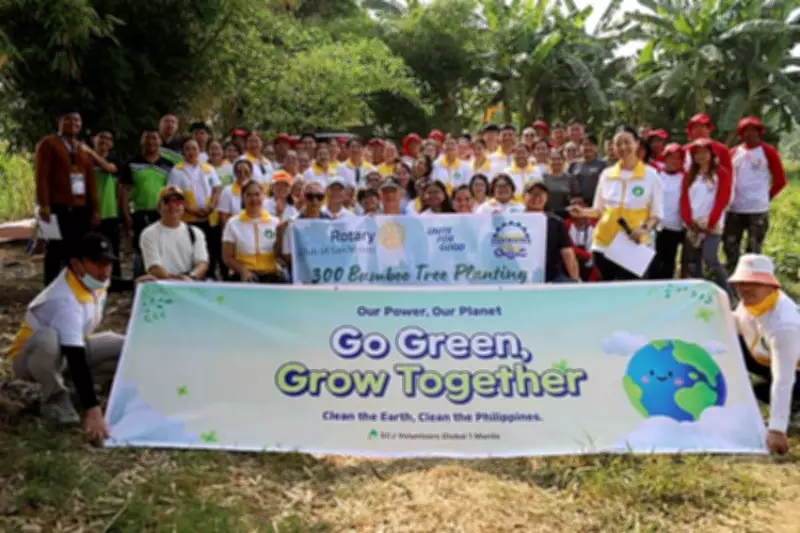
In a powerful demonstration of unity and environmental stewardship, Shincheonji Volunteers Manila spearheaded a significant tree planting initiative in San Mateo, Rizal, as part of Earth Month celebrations. The event, titled "Go Green, Grow Together," brought together 85 dedicated volunteers from various sectors to plant 300 seedlings along the riverside in Barandal, Barangay Sta. Ana. This collaborative effort underscores a shared commitment to bolstering environmental protection, enhancing disaster resilience, and fostering future community livelihoods through sustainable practices.
Broad Coalition Drives Environmental Action
The initiative successfully mobilized a diverse array of partners, highlighting the strength of multi-sector collaboration in addressing pressing environmental challenges. Key participants included the Philippine Army’s 2nd Civil-Military Operations Battalion, Civil-Military Operations Regiment, the Department of Agriculture Bureau of Plant Industry, the Rotary Club of San Mateo, the San Mateo Business Club, and local government units from Barangay Sta. Ana and the Municipality of San Mateo. Representatives from the Municipal Agriculture Office and the Municipal Environment and Natural Resources Office played crucial roles in ensuring the project's technical and logistical success.
This broad coalition exemplifies how coordinated efforts between government agencies, civic organizations, and community members can amplify impact and drive meaningful change. The involvement of such varied stakeholders not only enriched the initiative but also reinforced the message that environmental sustainability is a collective responsibility requiring united action.

Strategic Planting for Long-Term Benefits
A total of 300 seedlings were meticulously planted across the designated site, comprising 100 bamboo plants and 200 assorted fruit-bearing trees, all generously provided by the Department of Agriculture Bureau of Plant Industry. The Municipal Agriculture Office led a comprehensive technical orientation to guide volunteers, while DOLE-Tupad workers under the local government of San Mateo supported essential site preparation tasks. Volunteers worked tirelessly from clearing to planting, showcasing how hands-on, coordinated efforts can yield tangible environmental benefits and foster community spirit.
Alexis Santos, officer-in-charge of the Municipal Agriculture Office of San Mateo, emphasized the profound value of collaboration in tackling environmental issues. "This initiative proves that when communities, government, and organizations work together, we can build solutions that protect both people and the environment," Santos stated. "Bamboo planting is not just for today. It is an investment in climate resilience, sustainable livelihoods, and the future of our communities."
Bamboo and Fruit Trees: Dual Pillars of Sustainability
Beyond a simple tree planting activity, this project highlights the critical role of bamboo in climate action and environmental restoration. Bamboo, known for its rapid growth and exceptional carbon absorption capacity, is instrumental in rehabilitating degraded land, preventing soil erosion, and mitigating the adverse effects of flooding and heavy rainfall. For residents along the Sta. Ana riverside, the initiative promises long-term benefits in disaster mitigation and opens up potential livelihood opportunities, as mature bamboo plantations can serve as a sustainable source of income.
The inclusion of 200 fruit-bearing trees further enhances the project's impact by supporting food security and providing additional income streams for the community. Together, these plantings represent practical, nature-based solutions that simultaneously bolster environmental resilience and promote community development. This dual approach ensures that the initiative addresses immediate ecological needs while laying the groundwork for economic sustainability and improved quality of life for local inhabitants.

Ensuring Sustainability Through Community Engagement
To guarantee the long-term success and survival of the planted seedlings, local residents have committed to taking an active role in monitoring and maintaining the site. This ongoing involvement includes regular watering, replanting as necessary, and organizing follow-up activities to support the growth and health of the trees. Such community-driven stewardship is essential for transforming short-term actions into lasting environmental benefits and fostering a sense of ownership and pride among residents.
Rooted in principles of faith and service, Shincheonji Volunteers Manila emphasized that caring for the environment reflects a deeper spiritual responsibility. The group highlighted the importance of translating faith into meaningful actions that benefit others and honor creation, drawing inspiration from biblical teachings. Through this initiative, volunteers aim to serve both people and the planet, demonstrating that environmental stewardship becomes most impactful when communities unite with purpose, partnership, and a shared vision for a greener, more resilient future.
Shincheonji Volunteers is a global non-government organization affiliated with the Shincheonji Church of Jesus, dedicated to advancing community welfare through volunteerism. Its programs consistently focus on environmental protection, livelihood support, and educational and social development initiatives, aiming to create positive, sustainable change in communities worldwide.