Environmental experts have issued a stark warning about Cebu's approach to flooding, comparing current control projects to mere "band-aid" solutions that fail to address the province's worsening ecological crisis.
Expert Sounds Alarm on Environmental Crisis
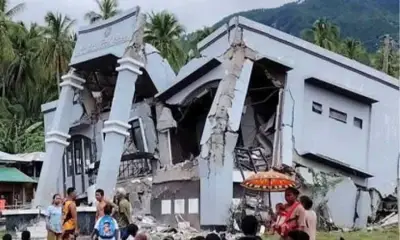
William Granert, executive director of Soil and Water Conservation Foundation Inc. (SWCFI), delivered this critical assessment on Monday, November 17, 2025, as Cebu continues to face escalating impacts of climate change. The soil and water expert and advocate emphasized that the damage caused by Typhoon Tino has exposed fundamental flaws in the province's flood management strategy.
Multiple Factors Behind Flooding Failures
Granert explained that the destruction from Bagyong Tino revealed not just failed flood control projects, but a combination of interconnected environmental problems. Deforestation, development in flood-prone areas, and inadequate drainage systems have collectively contributed to the worsening situation.

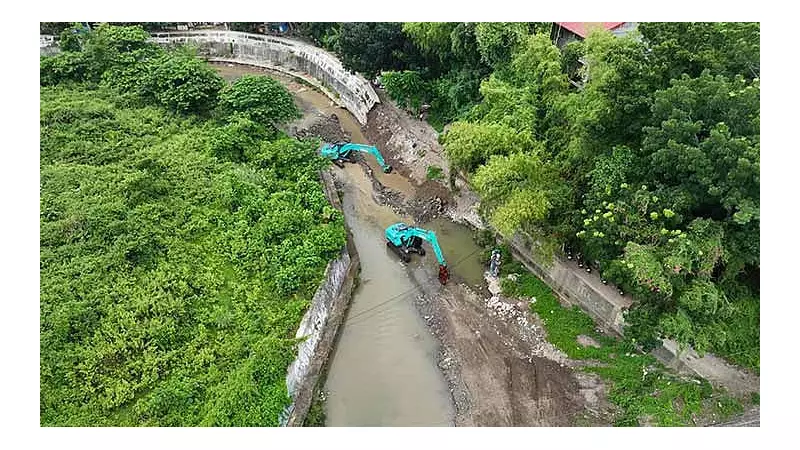
The environmental advocate specifically criticized infrastructure solutions such as drainage improvements, river widening, and desilting operations. He described these measures as merely temporary solutions that don't tackle the root causes of Cebu's environmental challenges.
Beyond Temporary Fixes
According to Granert, the current approach to flood control in Cebu represents a short-sighted strategy that fails to consider the broader climate change impacts affecting the province. The expert's warning comes as Cebu experiences increasingly severe weather patterns and more frequent flooding events.
The assessment suggests that without addressing underlying issues like deforestation and improper land use, Cebu will continue to experience escalating environmental damage during future typhoons and heavy rainfall events.