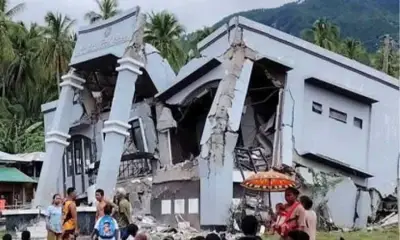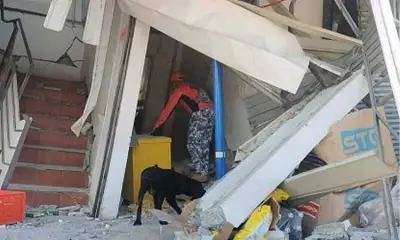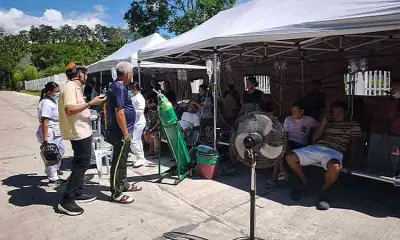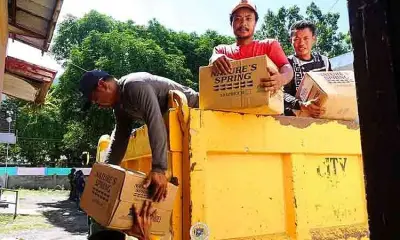
The devastation left by Typhoon Tino in Cebu on November 4, 2025, has transformed public grief into something more potent: purposeful anger. This emotion, often discouraged in daily life, has become a necessary tool for ensuring that the destruction and loss of life are not forgotten amidst the usual cycle of political sympathy and empty promises.
From Grief to Demands: The New Face of Public Anger
In the wake of the typhoon, which caused severe flooding in communities like Bacayan, Liloan, Consolacion, and Talisay, citizens are moving beyond passive frustration. This anger is now being channeled into specific, targeted demands for accountability. People are asking critical questions that strike at the heart of governance and public safety.
What happened to the billions of pesos allocated for flood control projects? This is not a rhetorical question but a demand for transparency. Citizens want to know which officials approved and inspected these projects, and why subdivision developments and land conversions were greenlit in areas with known environmental risks.

The identification of developers behind controversial projects has given communities clear targets for their demands. Monterrazas de Cebu has been publicly named for alleged violations, with indications that other developers will face similar scrutiny.
Concrete Actions: Petitions, Writs, and Public Pressure
This mobilized anger is manifesting in tangible ways across Cebu. Petitions are circulating, including one by the Movement for a Livable Cebu calling for the establishment of a Cebu Floodwater Management Office. This represents an institutional approach to preventing future tragedies.
Meanwhile, a planned National Coalition for Climate and Environmental Justice is preparing to invoke the Writ of Kalikasan, a constitutional legal remedy designed to protect communities and the environment from harm. As political analyst Antonio Contreras noted on social media, advocates in Cebu aim to file charges targeting those responsible for upland land conversion, watershed mismanagement, and regulatory failures.
Public Shaming and Civic Pressure
Direct protest has also emerged as a powerful tool. In Liloan, two residents displayed a placard questioning local officials Duke and Christina Frasco about their trip to London while their constituents suffered. This act wasn't mere sarcasm but a stark reminder that leadership requires presence, empathy, and accountability.
Even small actions are gaining significance. Many Cebuanos, including the author, have begun consciously using the "Angry" reaction on Facebook posts by government officials and agencies. While seemingly minor, this collective digital expression sends a clear message: people are watching, and impunity is no longer acceptable.
The stories of those who lost loved ones or homes to Typhoon Tino's floods are becoming the most powerful teachers. As citizens channel their anger into petitions, legal actions, protests, and persistent questioning, they create the necessary pressure to force explanations and a fundamental change in government priorities.