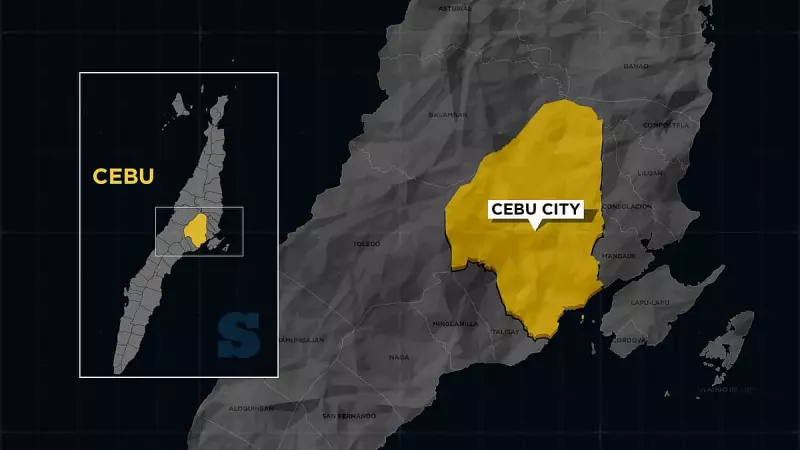
Environmental groups in Cebu are celebrating a significant victory as New Sky Energy Philippines Inc. has officially withdrawn from the proposed waste-to-energy project in Barangay Guba, Cebu City. The controversial P5-billion facility faced strong opposition from residents and environmental advocates concerned about potential health risks and environmental damage.
Community Resistance Leads to Project Cancellation
Lito Vasquez of the Philippine Movement for Climate Justice Visayas confirmed that the withdrawal came as no surprise, stating that both the company and city officials had underestimated the determination of Guba residents and campaigners. The joint venture project, initially agreed upon in 2022, encountered persistent resistance from the beginning due to concerns about pollution, health hazards, and its chosen location.
Vasquez warned that while this particular project has been stopped, waste-to-energy technology remains part of Cebu City's 10-year Solid Waste Management Plan, meaning similar proposals could emerge in other locations. He emphasized the need for the city to focus on genuinely sustainable solutions instead.

Cebu's Growing Waste Management Crisis
City Councilor Joel Garganera acknowledged that the project's withdrawal closes one chapter but highlighted the ongoing waste management challenges facing the city. Cebu City generates approximately 600 tons of garbage daily without a functional long-term disposal solution. The situation is further complicated by the unreclaimed Inayawan landfill, which remains entangled in land and contractor disputes.
Infrastructure problems, including damage to Bacayan Bridge, have created additional obstacles for waste transportation. Garganera expressed gratitude to Barangay Guba officials and residents for their active engagement in the discussion and urged the city to adopt modern, science-backed approaches to waste management.
Path Forward: Sustainable Alternatives
Both environmental advocates and city officials agree that practical, sustainable interventions should guide Cebu City's future waste management strategy. Vasquez pointed to the United Kingdom's experience with waste-to-energy incinerators, noting they can increase carbon emissions and often fail to secure environmental clearance due to public opposition.
The recommended solutions include:
- Strict implementation of waste segregation policies
- Expanded composting and recycling programs
- Enforcement of the 2020 single-use plastics ban
- Improved landfill management practices
- Infrastructure strengthening to support waste transport
Garganera emphasized the importance of streamlining permit processes and preparing communities for technological innovations in waste management. The consensus among stakeholders is that a comprehensive approach focusing on reduction, reuse, and recycling offers the most sustainable path forward for addressing Cebu City's substantial waste challenges.