Japan's Ambassador Champions Waste-to-Energy for Davao's Waste Woes
In a bid to address Davao City's escalating waste management challenges, Japan's top envoy to the Philippines has highlighted modern waste-to-energy (WTE) technology as a viable and environmentally sound solution. Ambassador Endo Kazuya, speaking at the Consulate General in Davao on April 17, 2026, emphasized Japan's extensive experience with WTE facilities, even in densely populated urban centers like Tokyo and Osaka.
The Problem with Biodegradable Waste in Landfills
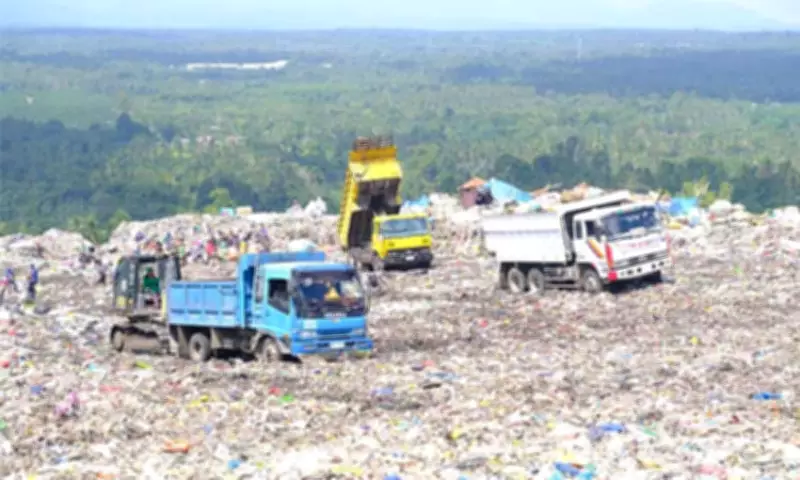
While biodegradable waste decomposes naturally, it undergoes multiple processes over time before becoming useful. Experts caution that adding compostable materials, such as food scraps, to landfills exacerbates waste volume and contributes to greenhouse gas emissions. Numerous studies link biodegradable landfill waste to increased atmospheric pollution, underscoring the urgency for alternative disposal methods.
WTE Technology as a Safer Alternative
Ambassador Endo argued that WTE facilities offer a safer alternative to traditional waste disposal. "Compared with current technologies, I think waste-to-energy facilities will not harm the environment. Even existing landfill facilities can be more harmful to the environment," he stated. He pointed to Japan's regulatory frameworks that ensure these facilities operate without causing health or environmental issues, noting that technology has evolved to meet strict standards.

Davao's Proposed WTE Project
The ambassador's comments come as Davao City advances plans for an 11-megawatt WTE facility in Barangay Biao Escuela, Tugbok District. This project aims to:
- Convert solid waste into electricity
- Reduce reliance on landfills
- Provide a long-term solution to increasing waste generation
City officials, including Councilor Louie John Bonguyan, chair of the Committee on Energy and Water, have stressed the urgency of sustainable waste solutions amid landfill capacity constraints. However, the project faces opposition from environmental groups like Interfacing Development Interventions for Sustainability (Idis), which argue that WTE may conflict with circular economy principles focused on waste reduction, reuse, and recycling.
Public Scoping and Regulatory Processes
The project is undergoing a public scoping process as part of the Environmental Impact Assessment (EIA) by the Department of Environment and Natural Resources (DENR). This stage allows stakeholders to voice concerns and assess potential impacts before approval. The DENR Environmental Management Bureau (EMB)-Davao clarified that this is a consultation platform, not a decision-making step, involving local government units, NGOs, and affected communities.
Japan's Experience and Broader Cooperation
Endo acknowledged opposition concerns but cited Japan's history of overcoming environmental degradation through technology. "Many years ago, Japan also experienced significant environmental degradation—both in air quality and water quality. It was technology that helped us overcome those challenges," he explained. He added that Japan's WTE facilities operate successfully without harming communities.
The WTE project is part of broader Japan-Philippines cooperation, marking the 70th anniversary of diplomatic relations. Mindanao, including Davao, is a key area for development partnerships, with Japan supporting technology transfer and possible grant assistance. However, the project's timeline remains uncertain, with Endo noting that Philippine authorities are better positioned to provide updates.
Navigating Competing Priorities
As Davao City balances environmental protection, public health, and infrastructure development, the WTE project is at the heart of debates on sustainable urban systems. The path forward depends on regulatory processes, stakeholder engagement, and proponents' ability to address public concerns while showcasing the technology's long-term benefits.