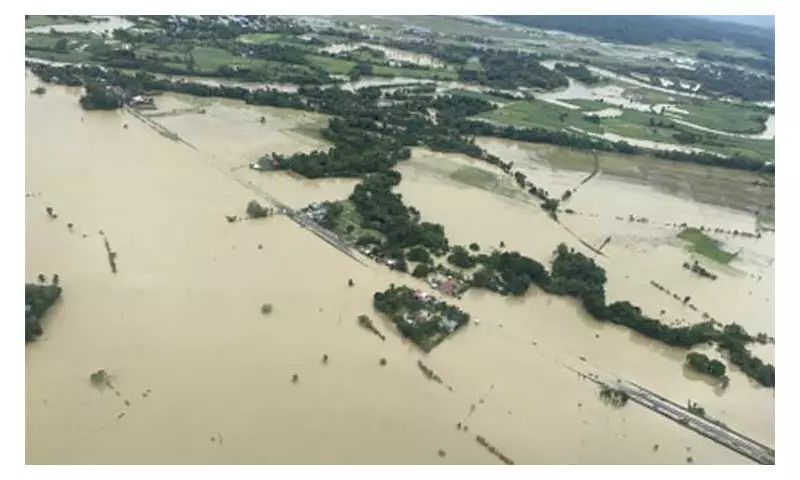
Parts of Capiz province were severely inundated on November 5, 2025, as Typhoon Tino swept through the Visayas, highlighting the Philippines' acute vulnerability to extreme weather. This devastation has intensified calls from advocacy groups for climate justice, directly linking the impacts of such storms to the nation's mining operations and the global ecological debt.
Demanding Reparations for Ecological Debt
Fara Gamalo, leader of the climate campaigner group Freedom from Debt Coalition in Eastern Visayas, has publicly denounced the status quo. She insists that countries in the Global South, including the Philippines, must demand trillions in reparations from Global North countries for the catastrophes fueled by their "highly extractivist economies."
"People of the South have to demand reparations and payment for the Global North countries' ecological debt they continue to owe," Gamalo stated. She accused wealthy nations of turning to the Global South to extract raw materials, a practice she says leads to widespread environmental destruction and human rights abuses.

Nickel Mining Increases Climate Vulnerability
Echoing these concerns, a damning 104-page report titled "Broken Promises" was released by US-based Climate Rights International (CRI). The report concludes that nickel mining is making local communities in the Philippines more vulnerable to climate impacts, including extreme weather events like typhoons.
The Philippines is the world's second-largest producer of raw nickel ore. The CRI report, based on interviews with 57 residents and workers near nickel mines in the Caraga Region, found that operations drive deforestation and the loss of critical mangrove forests. This loss removes natural barriers against storm surges, high winds, and flooding.
Ricardo Todio Jr., a liaison officer for the youth climate group Panaad ha Sinirangan-Association of Young Environmental Journalists (AYEJ) in Leyte, confirmed this local reality. "We are aware that our communities are being weakened by nickel mining," he said, pointing to the displacement caused by Typhoon Tino and the looming threat of Super Typhoon Uwan. "Lives are at risk when climate rights are upheld."
Government Inaction and Industry Response
Prominent Filipino rights advocate Carlos Conde reacted to the CRI findings, emphasizing the suffering of poor Filipinos living near mining sites. He criticized the negligence and inaction by the national and local governments, stating, "The government has always been pro-mining, but we see the toll of that in the plight of these poor communities."
John Lazaro, national coordinator of the progressive youth group Spark, argued against opening new mines, stating that existing operations already produce more than enough nickel and copper for the Philippines' domestic clean energy transition needs. The core issue, he noted, is that most of these minerals are exported as raw ores.
In response, the Philippine Nickel Industry Association (PNIA) issued a statement on November 5, asserting that "caring for the environment is an inherent responsibility." The PNIA highlighted its environmental programs, claiming its members have spent P1.1 billion and planted 35.1 million trees across 14,612 hectares as of December 2024.
As the country grapples with the aftermath of Typhoon Tino, the call for climate justice and a critical re-evaluation of mining practices grows louder, framing environmental protection as an urgent matter of human survival.