Binaliw Landfill Tragedy in Cebu: A Chronicle of Neglect and Environmental Failure
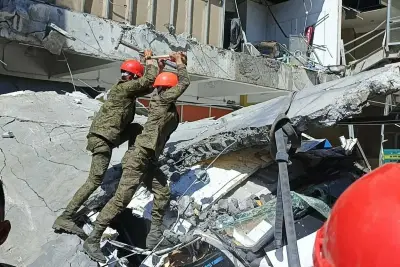
The devastating incident at the Binaliw landfill in Barangay Binaliw, Cebu City, serves as a stark reminder of systemic neglect and oversight. Who bears responsibility for this tragic event? As questions swirl regarding the actions of government authorities, landfill operators, and the community, the urgent need to address the suffering of victims, especially the families of those lost in the January 8, 2026 tragedy, remains paramount. Instead of focusing on accountability, efforts have been hindered, delaying critical support for those affected.
Historical Context and Environmental Concerns
It has been revealed that the landfill has endured a series of natural disasters, including earthquakes followed by aftershocks, typhoons, and heavy rainfall. The current management inherited longstanding issues from the previous operator, which had already faced complaints due to severe odor and other environmental problems. Prime Waste Solutions (PWS), which took over operations in 2023, has struggled to transform the site into a safer materials recovery facility within its two-year tenure.
Looking back to November 2017, the Department of Environment and Natural Resources (DENR) issued an environmental compliance certificate to the initial operator, ARN Central Waste Management Inc. (ACI). By April 2018, the Cebu City government granted a special land use permit to ACI, allowing the development of a landfill on a 100-hectare area in Binaliw. Despite a lack of council approval, a public hearing was held where residents voiced safety concerns.

Regulatory Failures and Ongoing Violations
However, within a year, the Environmental Management Bureau of the DENR issued notices of violation against ACI for deficiencies in proper waste management and discrepancies in monitoring reports. Although ACI promised to address these issues, by July of that year, the city began using the facility after former Mayor Tomas Osmeña signed a disposal contract with ACI. Over the years, landfill operations continued with routine waste management practices until PWS assumed control in January 2023.
PWS launched an automated materials recovery facility, the first of its kind in the country, aimed at reducing landfill waste by 20 percent. This technology intended to convert waste into fuel. Yet, the problems persisted, transferred from ACI to PWS, culminating in August 2024 when the facility was found in violation of the Ecological Waste Management Act based on an investigation by the city’s environmental office.
Community Outcry and Political Responses
In June 2025, mayor-elect Nestor Archival issued a warning to close the landfill if complaints persisted and issues remained unresolved. The community has questioned the city’s inadequacies, as waste management problems have led to tons of garbage accumulating at the site. Despite efforts to modernize the facility into a materials recovery facility, natural forces have taken their toll, underscoring the urgent need for comprehensive environmental reforms.
This tragedy highlights the critical intersection of regulatory oversight, operator accountability, and community welfare in environmental management. As Cebu City grapples with the aftermath, it is imperative to learn from past mistakes and implement sustainable solutions to prevent future disasters.