Cebu's Landfill Tragedy: 36 Lives Lost After Decades of Ignored Environmental Laws
The catastrophic trash slide at the Binaliw landfill in Cebu City has resulted in the tragic loss of 36 lives, transforming a persistent government oversight into a profound human rights disaster. While the event has shocked local residents, environmental experts assert that this was not an accidental occurrence but rather the inevitable outcome of 25 years of systematic failure to adhere to established environmental regulations.
A Disaster Decades in the Making
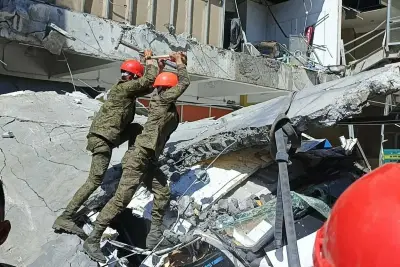
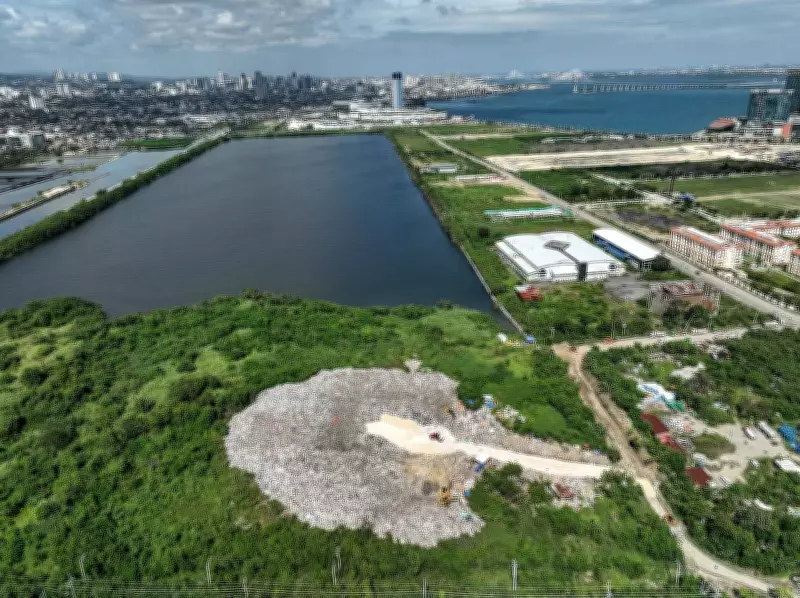
On January 8, 2026, a massive wall of accumulated waste collapsed at the Binaliw landfill facility in Cebu City. Although the landfill was originally designed to cease operations by 2025, it continued to function well into 2026, dangerously exceeding its safe operational capacity. The site initially covered just 1.7 hectares but was expanded to 17 hectares in 2020. Despite this significant increase in area, the overwhelming volume of trash ultimately proved too much for the ground to support, leading to the deadly collapse.
The Critical Disposal Gap
During a forum titled “Binaliw Trash Talk” held on February 21, 2026, experts detailed the systemic failures contributing to the crisis. Cebu City generates between 600 to 700 tons of waste daily, yet its legally sanctioned disposal sites can only accommodate approximately 450 tons. This creates a daily “disposal gap” of up to 250 tons of excess trash. The constant pressure from this surplus forces landfills to overfill, creating severe and potentially deadly safety hazards.

Environmental Laws Ignored for Over 25 Years
Republic Act 9003, the comprehensive law governing waste management in the Philippines, has been in effect for more than a quarter-century. It mandates that local governments implement source segregation of trash and construct appropriate recovery facilities. Lito Vasquez, a policy advisor for the Philippine Movement for Climate Justice, highlights that the core issue is a severe lack of enforcement. “For most people, waste management is limited to collection,” Vasquez explained. “As long as the garbage is removed from their vicinity, it becomes out of sight and out of mind.”
From Urban Streets to Ocean Depths
The waste management crisis extends far beyond terrestrial landfills, severely impacting marine environments. Dr. Ian Dominic Tabañag, a specialist in chemical engineering, reported that plastic waste accumulation along Cebu’s coastline has nearly doubled in recent years. In 2022, approximately 600 kilograms of plastic were collected daily; by 2025, this figure surged to 1,000 kilograms daily. The majority of this waste comprises:
- Single-use sachets
- Plastic bags
- Small plastic fragments
Tabañag warned that trash discarded inland can reach the ocean within just five days. “Do we possess sufficient resources to conduct daily cleanups? No,” he stated, noting that Cebu is a leading contributor to marine plastic waste in the Philippines.
The Global Plastic Pollution Connection
The Philippines is now identified as the world’s foremost contributor to plastic waste entering the ocean. According to a study published in Science Advances, the country emits over 356,000 metric tons of plastic annually. This alarming statistic stems from the fact that 8.8 percent of mismanaged waste in the Philippines reaches the sea through its extensive network of 4,820 rivers.
Future Directions for Binaliw and Beyond
The Binaliw tragedy has fundamentally shifted the discourse from merely “paying for damages” to proactively “preventing future disasters.” While the landfill contractor has covered burial expenses and provided scholarships, environmental advocates insist that the government must be held accountable for its failure to enforce the law. As current landfill contracts approach expiration, Cebu City faces a pivotal decision: will it perpetuate a cycle of emergency dumping, or will it finally transition toward a sustainable system emphasizing recycling and stringent legal penalties? The safety and environmental health of the city hinge critically on this choice.