Davao Environmental Group Opposes Waste-to-Energy Amendments to RA 9003
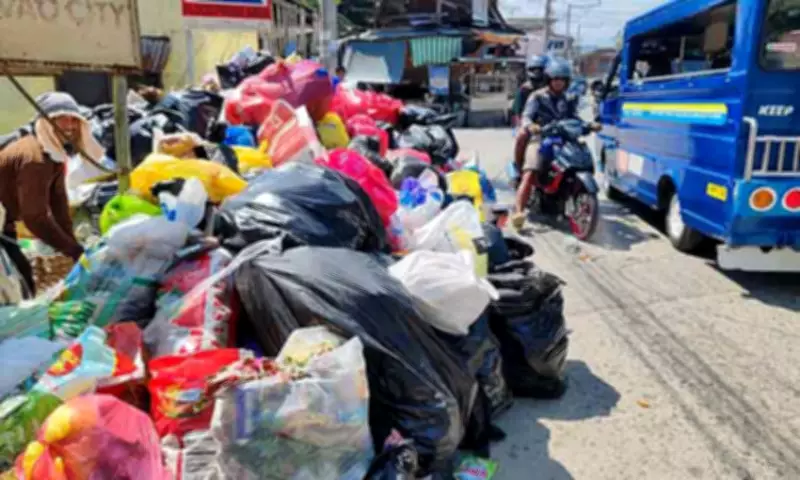
Personnel from the Davao City Environment and Natural Resources Office (Cenro) worked diligently under the scorching sun to collect accumulated garbage at Phase 5 in El Rio Vista Village, Bacaca, Davao City, on Sunday noon, January 18, 2026. This scene highlights the ongoing waste management challenges facing the city, where daily garbage collection has surged to approximately 700 to 800 tons. This substantial volume is stretching existing collection systems and landfill capacity to their limits, prompting urgent efforts to expand facilities and improve segregation practices throughout the community.
Growing Waste Management Crisis
Delays in garbage collection in various barangays have led to significant community complaints about foul odors and unsanitary conditions. These issues underscore the pressing need for stronger enforcement measures and greater public cooperation in proper waste disposal practices. The current situation reveals systemic weaknesses in waste management infrastructure that require immediate attention from both local authorities and residents.
Environmental Group Takes Strong Stand
A Davao City-based environmental organization, Interfacing Development Interventions for Sustainability (Idis), has strongly opposed moves to amend Republic Act (RA) 9003, the Ecological Solid Waste Management Act of 2000. The group specifically rejects proposals to allow "waste-to-energy" incineration technologies, calling on lawmakers to defend the existing incineration ban that has been in place for decades.

Idis firmly rejects the narrative that incineration represents a necessary response to increasing urbanization and landfill shortages. This position comes after the Department of Environment and Natural Resources (DENR) expressed support for revisiting RA 9003, a move that Idis describes as a dangerous step backward that undermines environmental protection, public health commitments, and climate responsibility.
Implementation Failures, Not Law Failures
The environmental group emphasizes that RA 9003 was enacted to shift the Philippines away from disposal-oriented and end-of-pipe solutions. The law aims to direct the nation toward sustainable practices including segregation at the source, material reuse, comprehensive recycling programs, and widespread composting initiatives.
Idis stresses that RA 9003 has neither been fully nor faithfully implemented, citing continued neglect of barangay-level waste segregation, inadequate establishment of Materials Recovery Facilities (MRFs), insufficient waste reduction efforts, and underdeveloped composting and recycling systems—all of which are clearly mandated by existing legislation.
The group asserts that failures in solid waste management represent failures of implementation, political will, and accountability—particularly on the part of local government units—rather than failures of the law itself.
False Solutions and Real Consequences
Idis maintains that allowing incineration under the guise of "new technology" represents a false solution to complex waste management challenges. Instead of addressing root problems such as weak enforcement mechanisms, lack of political commitment, underfunded local systems, and poor accountability structures, incineration merely treats symptoms while ignoring underlying systemic issues.
By investing in incineration infrastructure, the government would be locking communities into expensive, centralized, and environmentally risky systems that could have long-term negative consequences. The group further notes that most waste generated in the Philippines is biodegradable material, making it particularly unsuitable for incineration processes. These biodegradable wastes could instead be effectively managed through composting and diversion strategies that align with ecological principles.

Regulatory Gaps and Enforcement Challenges
Idis also reminds the DENR and the National Solid Waste Management Commission (NSWMC) that they have not published a comprehensive list of Non-Environmentally Acceptable Products (NEAPs), as explicitly required by RA 9003. The group emphasizes that this regulatory tool—long overdue—is critical to enforcing the law effectively. This list would be used to systematically phase out environmentally harmful products and packaging materials that contribute to the waste stream.
Call to Defend Environmental Protections
Idis has called on the DENR, lawmakers, and local governments to defend the incineration ban under both RA 9003 and the Clean Air Act. The group stresses the urgent need for full implementation of ecological solid waste management principles alongside the publication and enforcement of the NEAP list.
The environmental organization advocates for government investment in zero-waste, climate-safe, and community-based solutions while protecting the health, livelihoods, and rights of affected communities and waste workers. "Incineration is not progress. Ecological and people-centered waste management is," Idis declared in their January 28, 2026 statement.
Learning from Past Failures
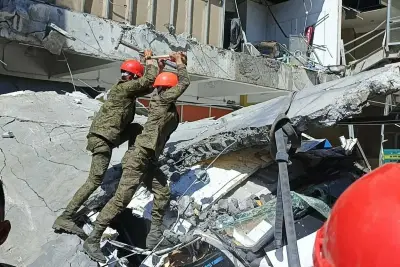
Idis points to the recent landfill collapse in Cebu City as a wake-up call for the government to strengthen enforcement mechanisms, improve planning processes, and ensure stronger oversight of waste management systems. The group stresses that such incidents should not be used as justification for embracing incineration technologies but rather as motivation to properly implement existing ecological solutions.
Data Reveals Implementation Gaps
The environmental group cites DENR data showing that thousands of barangay-level Materials Recovery Facilities (MRFs) remain unestablished, while waste segregation and diversion efforts continue to show significant weaknesses. These gaps highlight the pressing need for full implementation of RA 9003 rather than diluting its provisions through amendments.
"Amending the law without exhausting its existing, proven solutions undermines the very purpose of the legislation," the group emphasized in their assessment of the situation.
Economic and Social Implications
Idis further argues that investing public funds in incineration would divert critical resources away from proven, low-cost, community-based solutions such as comprehensive waste reduction programs, decentralized composting systems, and support for the recycling sector. The group also raises serious concerns about the impact of incineration on waste workers' livelihoods.
While the DENR has recognized the challenging living conditions of approximately 100,000 informal waste workers nationwide, Idis warns that incineration would threaten their economic survival by reducing the availability of recyclable materials that form the basis of their livelihoods.
Health and Environmental Risks
The environmental organization points out that even "modern" incineration technologies produce toxic emissions, hazardous ash residues, and create long-term health risks for nearby communities—particularly in urban areas where such facilities would likely be located. These risks, the group asserts, violate the precautionary principle embedded in Philippine environmental policy and contravene the Clean Air Act's explicit prohibition against pollution through incineration processes.