DENR Proposes Temporary Reopening of Inayawan Landfill to Address Cebu's Waste Crisis
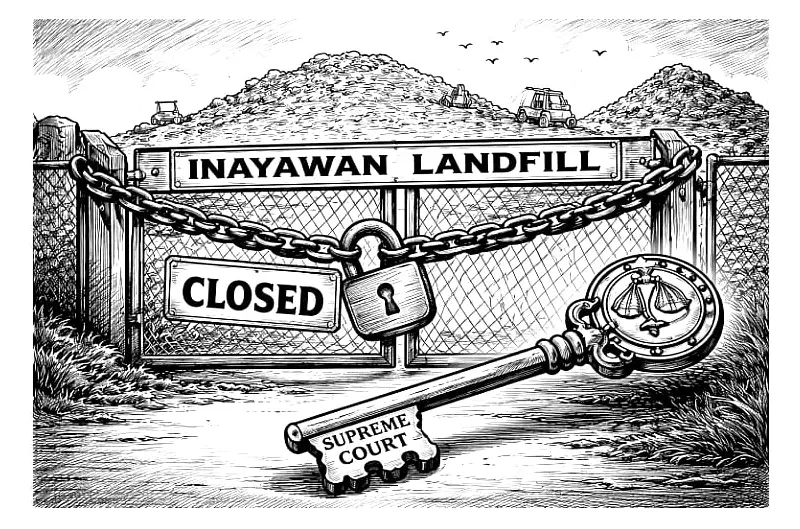
The Department of Environment and Natural Resources (DENR) is currently seeking Supreme Court approval to reopen the closed Inayawan Landfill, intending to use it as a temporary transfer facility for waste management in Cebu City. This move comes as authorities search for a longer-term solution to the region's garbage disposal challenges, highlighting the urgent need for effective solid waste management strategies.
Government's Response to Waste Management Challenges
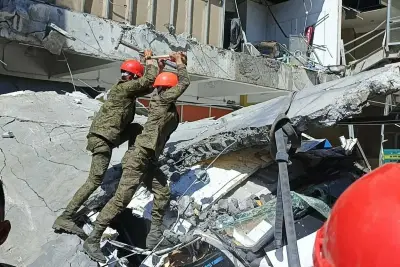
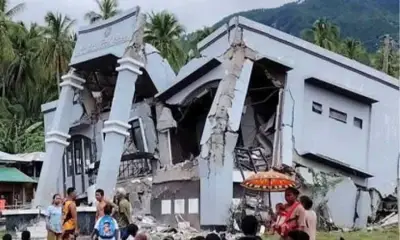
The initiative reflects the government's commitment to resolving critical waste issues, especially in the wake of the tragic Binaliw landfill incident that claimed 36 lives. The lack of proper and safe disposal facilities poses significant threats to public health, cleanliness, and community safety. Utilizing Inayawan as a temporary transfer point is viewed as a practical and immediate measure while more permanent plans are being developed.
Environmental and Legal Concerns Surrounding the Proposal
However, the proposal raises several negative implications that cannot be ignored. The Inayawan Landfill was originally closed under a Writ of Kalikasan, which protects the public's right to a healthy and clean environment. Efforts to lift this prohibition, even temporarily, could potentially weaken court decisions and undermine the credibility of institutions dedicated to environmental protection. Additionally, resuming operations at Inayawan, even as a transfer facility, may reintroduce health risks to nearby residents.

Regional Cooperation and Long-Term Solutions
Opposition from the mayors of Talisay and Minglanilla to accepting waste from Cebu City underscores that waste management is not merely a local government issue but a regional challenge requiring cooperation, proper planning, and genuine respect for environmental laws. Effective waste management should not rely on temporary fixes but must be supported by long-term programs focused on segregation, recycling, and efficient disposal methods.
Balancing Emergency Response with Sustainable Practices
In conclusion, the DENR's step is seen as an emergency response to a serious situation. The welfare of the people and the safety of the environment must remain central to all decisions to prevent the recurrence of tragedies and ensure a sustainable future for Metro Cebu. This approach emphasizes the need for balanced actions that address immediate crises while paving the way for enduring environmental stewardship.