DENR to Petition Supreme Court for Temporary Use of Inayawan Landfill as Waste Transfer Facility
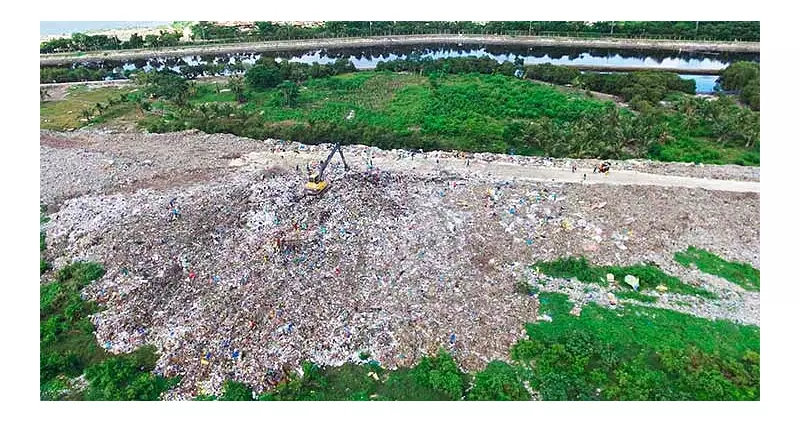
The Department of Environment and Natural Resources (DENR) is preparing to seek Supreme Court authorization for the temporary reuse of the long-closed Inayawan landfill as an emergency waste transfer station. This urgent move comes as Cebu City faces a critical garbage disposal crisis following the suspension of its primary disposal site.
Addressing Cebu City's Waste Disposal Emergency
DENR Secretary Raphael Lotilla announced the planned petition during an emergency meeting with Cebu Provincial Government officials and local government units of Cebu City, Talisay City, and Minglanilla on January 22, 2026. The department will not request full reopening of the landfill for permanent dumping but rather seek permission to use it as a temporary consolidation point where waste can be gathered before being transported to final disposal sites elsewhere.
"We will prepare a petition to the Supreme Court, at the very least, to allow a temporary lifting of the prohibition on the use of the Inayawan landfill as a transfer facility," Lotilla stated during the meeting.

Historical Context of the Inayawan Landfill Closure
The 15.4-hectare Inayawan landfill has been officially closed since 2016 following a Writ of Kalikasan issued by the Court of Appeals and affirmed by the Supreme Court in 2018. This legal remedy protects the public's constitutional right to a healthy environment. The facility was originally declared full and closed in January 2015, though it briefly reopened in June 2016 under former mayor Michael Rama before the court's definitive intervention.
Root Causes of the Current Crisis
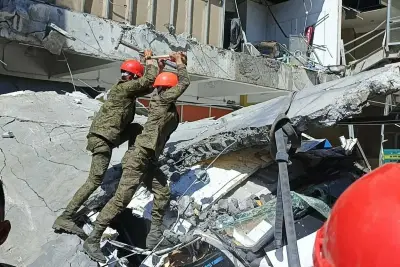
The immediate trigger for this emergency situation was the suspension of operations at the Binaliw landfill, which served Cebu City along with neighboring Lapu-Lapu and Mandaue cities. A deadly trash slide at the facility killed 36 workers, prompting authorities to issue a cease and desist order against operator Prime Integrated Waste Solution Inc.
Compounding the problem, Cebu City's current arrangement to send approximately 600 tons of solid waste daily to a private landfill in Barangay Polog, Consolacion is set to expire on February 11. Attempts to secure alternative disposal sites have failed as neighboring local governments rejected proposals to accept Cebu City's waste.
Neighboring LGUs Refuse Waste Acceptance
Talisay City Mayor Gerald Anthony Gullas Jr. and Minglanilla Mayor Rajiv Enad both declined proposals to accept Cebu City's garbage, citing serious environmental and health concerns. Enad specifically noted that Minglanilla's own landfill has been closed for three years and argued that forcing smaller municipalities to solve a major city's waste problems was fundamentally unfair.
Cebu City Councilor Joel Garganera, who chairs the committee on environment, acknowledged the difficult position: "We don't have the luxury to choose where to dump our garbage. We are at the mercy of whoever is willing to accept it."
Transportation and Sanitation Challenges
The refusal from neighboring local government units stems partly from sanitation issues observed during waste transport. Cebu City Mayor Nestor Archival cited reports of trucks leaking foul fluids and spattering waste onto roads in other jurisdictions, creating offensive odors and sanitation problems.
In response, Archival issued a memorandum ordering strict compliance with sanitary standards, requiring all waste transport trucks to be fully covered and leak-proof. While Gullas and Enad refused to accept the waste itself, they agreed to allow properly contained garbage trucks to pass through their jurisdictions provided the waste would be disposed of elsewhere.
Alternative Proposals and Future Directions
Cebu City Vice Mayor Tomas Osmeña suggested that technical failures caused the Binaliw landfill collapse and argued that public hearings wouldn't address root causes since technical aspects are difficult for ordinary citizens to evaluate. He proposed leasing garbage trucks to bypass bureaucratic procurement delays and suggested building a city-owned incinerator at the South Road Properties to reduce waste volume and lower disposal costs.

As the DENR prepares its Supreme Court petition, Cebu City officials face a February 11 deadline to either secure a new disposal arrangement or extend the current one in Consolacion. City authorities are expected to explore agreements with Toledo City and Aloguinsan while strictly enforcing sanitary transport protocols to maintain transit routes through Talisay and Minglanilla.