Regular mountain biking excursions through the highlands of Metro Cebu have revealed a disturbing trend: the rapid and potentially illegal conversion of protected forest lands into residential and commercial establishments. This unauthorized development within the Central Cebu Protected Landscape (CCPL) is raising alarm bells about environmental degradation and increased flood risks for low-lying communities.
Trails Reveal Alarming Construction
While traversing the mountain bike trails that crisscross Cebu's rugged terrain, riders have witnessed firsthand the aggressive 'land development' occurring in areas supposedly under protection. These constructions, ranging from large houses to other establishments, are notably located within the jurisdictions of Cebu City and adjacent localities that fall under the CCPL.
While private individuals can legally own land within these zones if they possess legitimate land titles, the concern lies with properties acquired or developed illegally. The critical question remains: who is held accountable when development proceeds without proper documentation or in violation of environmental laws?

Flood Control Failures and a Call for DENR Action
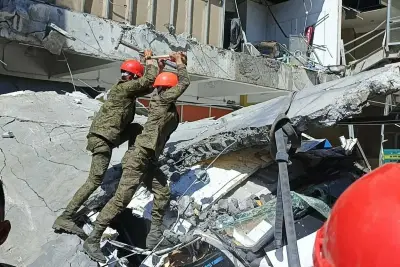
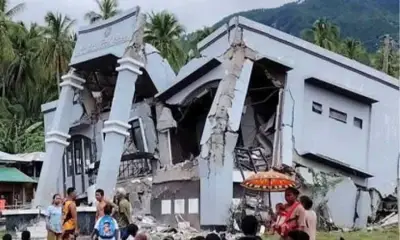
The issue of environmental protection has taken on a new urgency in the wake of Typhoon Tino, which recently caused catastrophic flooding across numerous Cebu communities. The storm, which dumped two months' worth of rainfall in just a few hours according to PAGASA, overwhelmed existing infrastructure.
Multiple lives were lost, including more than 10 fatalities in Bacayan alone, with millions worth of property damaged. The flood control structures, which had been the subject of controversy due to alleged anomalies and fund mismanagement, proved inadequate against the powerful deluge.
This tragedy has intensified public anger and directed scrutiny towards the Department of Environment and Natural Resources (DENR). Citizens and observers are demanding to know: Is the DENR actively verifying the legitimacy of land ownership and development permits within the CCPL? Are these private projects undergoing rigorous evaluation to ensure they do not exacerbate environmental hazards, especially during the rainy season?
A Legacy of Neglect and a Demand for Accountability
The core of the problem, as highlighted by these observations, appears to be a long-standing failure of the very agency tasked with safeguarding the region's mountains, forests, and overall ecology. The negligence over many years is now being seen as a primary contributor to recent disasters.
The connection is clear: the degradation of protected upland areas reduces natural absorption of rainwater, directly contributing to the destructive force of floods in communities below. As the evidence of illegal development mounts and the memory of Typhoon Tino's devastation remains fresh, there is a growing consensus that it is time for responsible agencies to be held accountable for their role in this unfolding environmental and public safety crisis.