NBI Central Visayas Initiates Probe into Deadly Cebu Landfill Collapse
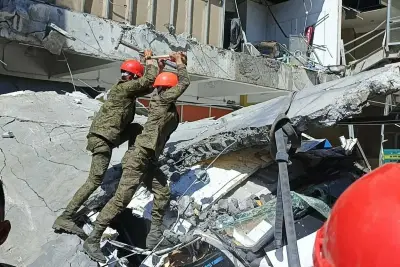
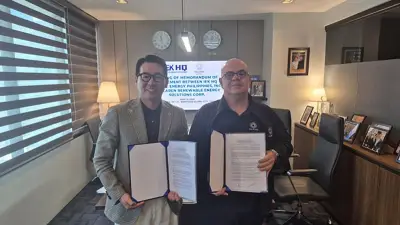
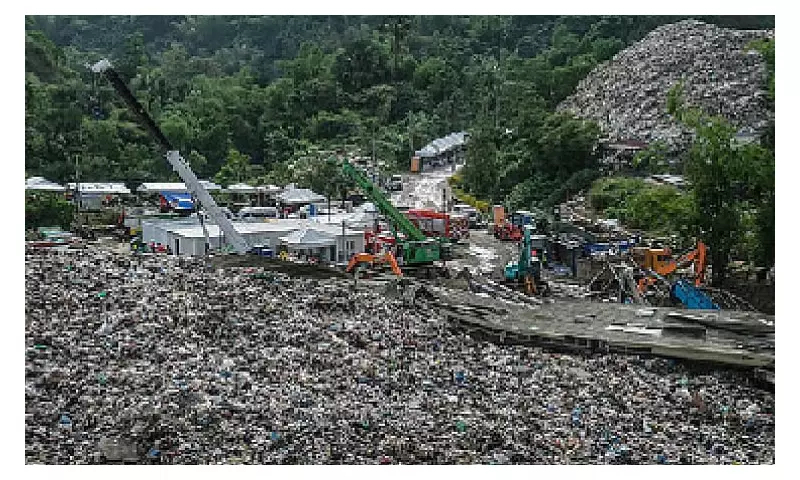
The National Bureau of Investigation in Central Visayas (NBI 7) has announced it will launch a comprehensive investigation into the tragic collapse of the Binaliw landfill in Cebu City, which resulted in the deaths of 36 people earlier this month. Newly installed NBI 7 Director Jose Ermie Monsanto made the declaration on Tuesday, January 27, 2026, emphasizing the severity of the incident that has plunged the city into a major garbage disposal crisis.
Proactive Investigation Amid Environmental Catastrophe
Director Monsanto stated that his office did not wait for a formal complaint to begin the probe, citing the urgent nature of the situation. "We have to be proactive. Even in the absence of any request, I will order my agents to conduct an investigation on this case," Monsanto explained. The collapse occurred at a private facility operated by Prime Integrated Waste Solutions Inc., and while the investigation is in its initial stages, Monsanto noted that his team is also monitoring other environmental concerns, including flood control projects in the region.
Cebu City Grapples with Immediate Waste Management Crisis
The landslide not only claimed lives but also forced the closure of Cebu City's primary garbage disposal site, leaving Mayor Nestor Archival and local officials scrambling to manage hundreds of tons of daily waste. Nearby local government units, such as Talisay City and Minglanilla, have refused to accept Cebu City's garbage due to traffic congestion and environmental risks, exacerbating the crisis.

To address the immediate problem, the city has deployed shredding machines at the Carbon Public Market to process plastic and biodegradable waste, reducing trash volume by up to 40 tons per day. Officials are also considering using the closed Inayawan facility as a temporary transfer station, though this requires special permits from the Department of Environment and Natural Resources (DENR) and approval from the Supreme Court.
Exploring Waste-to-Energy Solutions Amid Disaster
The disaster has prompted city leaders to reconsider long-term solutions, including Waste-to-Energy (WTE) technology, which converts garbage into electricity. While WTE can be costly and requires stringent safety regulations, Mayor Archival, who previously opposed such initiatives, has expressed openness to the idea if it complies with environmental laws. "If this is something that can help, then give us the standards," Archival said.
Councilor Joel Garganera supports the shift toward WTE, advocating for a model similar to Japan's approach that combines recycling with energy generation. "We are dangerously close to the point of no return," Garganera warned, highlighting the urgency of adopting sustainable waste management practices.
National Review of Environmental Legislation
In response to the tragedy, national officials have taken action, with DENR Secretary Raphael Lotilla ordering a full review of Republic Act 9003, the Ecological Solid Waste Management Act. Lotilla acknowledged that while the law is sound, challenges such as adverse weather conditions and rapid urban development have hindered its enforcement.
The DENR will now conduct inspections of all sanitary landfills across the Philippines to ensure their safety, with experts specifically assessing land stability to prevent future landslides like the one in Cebu. The outcomes of the NBI investigation and the DENR review could lead to stricter regulations and potential criminal charges for negligence, marking a pivotal moment in environmental governance.