Bacolod City Council Approves Landmark Waste-to-Energy Hub Ordinance
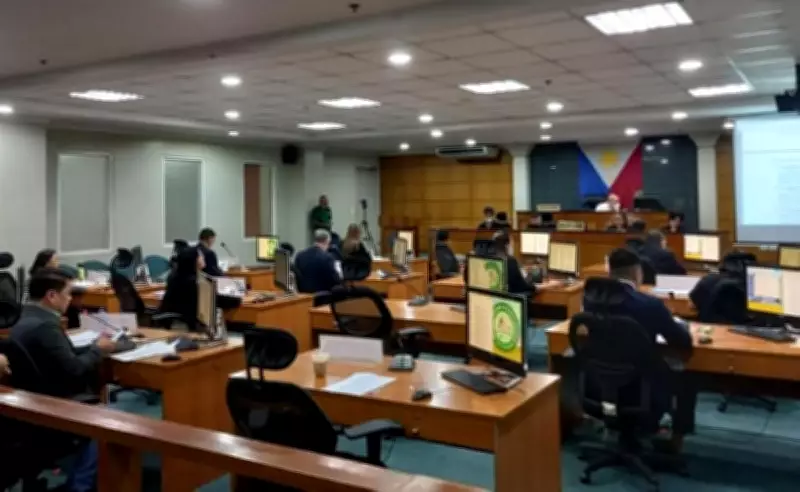
In a significant move for urban sustainability, the Bacolod City Council has approved on first reading the proposed Bacolod Integrated Recycling and Technology Hub Declaration and Waste to Energy Industrial Zone Lease or PPP Enabling Ordinance of 2026. This landmark measure, authored by Councilors Caesar Distrito and Homer Bais, with co-authorship from nine other councilors, represents a major step forward in the city's waste management strategy.
A Framework for Sustainable Waste Management
Councilor Caesar Distrito emphasized that this ordinance formally recognizes the Bacolod Integrated Recycling and Technology Hub as the city's integrated solid waste management center. More importantly, it establishes a lawful and transparent framework for developing a Waste-to-Energy industrial zone within the designated site. This initiative aligns perfectly with the Bacolod City Updated Ten-Year Solid Waste Management Plan covering 2024 through 2033.
The ordinance integrates Waste-to-Energy technology as an anchor component for residual waste management and energy recovery, ensuring consistency with national solid waste and environmental regulations. This development follows a signed memorandum of agreement between Bacolod City and the Department of Energy, highlighting the project's significance at both local and national levels.

Key Provisions and Safeguards
The ordinance includes several critical features designed to protect public interests:
- Formal declaration of the Bacolod Integrated Recycling and Technology Hub as the city's integrated solid waste management center
- Designation of a defined Waste-to-Energy Industrial Zone within City-owned property in Barangay Felisa
- Authorization of competitive lease processes or implementation through Public-Private Partnership arrangements
- Mandatory fair market rental valuation supported by independent appraisal
- Transparent competitive selection through the City's Bids and Awards Committee acting as Lease BAC
- Strict non-exclusivity and non-endorsement provisions preventing automatic project awards or preferential treatment
- Environmental, safety, and Department of Energy qualification requirements before any construction or operations
- Posting of City Development Security to protect public interest
- Requirement of prior sangguniang authorization before the city mayor may execute any lease or PPP agreement
Protecting Long-Term Public Interests
Councilor Distrito clarified that "this measure does not award any project nor grant automatic rights to any private entity". Instead, it creates the legal, transparent, and competitive structure necessary to implement the Solid Waste Management Plan responsibly. Every step of the process will be subject to independent valuation, strict safeguards, environmental compliance, Department of Energy qualification, and final Sangguniang approval.
Councilor Homer Bais underscored the importance of institutional readiness and accountability, stating that "this ordinance ensures that if Bacolod pursues waste-to-energy as part of its long-term waste management strategy, it will be done through a competitive, transparent, and accountable process". The built-in safeguards are specifically designed to protect public assets, uphold environmental standards, and secure optimal value for the city and its residents.
Flexible Implementation Options
The ordinance provides the City with flexibility to pursue development through Public-Private Partnership arrangements under Republic Act 11966, known as the PPP Code of the Philippines, should this implementation route prove most advantageous. This approach allows Bacolod to leverage private sector expertise while maintaining strong public oversight and control over critical waste management infrastructure.
This comprehensive ordinance represents a forward-thinking approach to urban waste management, balancing environmental responsibility with economic practicality through carefully structured governance mechanisms.