MarketFile photo by Juan Carlo de VelaPublished on: Jan 31, 2026, 12:57 pm
Cebu City Achieves Major Breakthrough in Garbage Crisis with 50-Ton Daily Reduction
CEBU City is finally witnessing a transformative breakthrough in its prolonged struggle against mounting garbage issues. By implementing stricter waste management regulations and deploying advanced shredding technology, the city has successfully slashed its daily trash output by an impressive 50 tons. This achievement offers much-needed relief to the overburdened disposal system, marking a pivotal step toward sustainable urban living.
Financial and Spatial Benefits from Waste Reduction
Prior to these innovative initiatives, Cebu City was grappling with an average daily collection of 600 tons of garbage. That figure has now been reduced to approximately 550 tons. Mayor Nestor Archival attributes this positive change to two key factors: enhanced waste segregation practices in local neighborhoods, known as barangays, and the introduction of new shredding operations at the Carbon Public Market. This reduction not only benefits the environment but also provides substantial financial savings for the city. With hauling and disposal costs estimated at P3,000 per ton, eliminating 50 tons daily translates to potential savings of around P150,000 each day.

Critical Timing Amidst Historical Waste Challenges
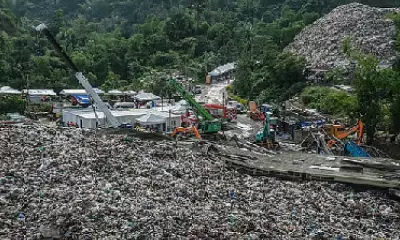
The success of this waste reduction effort is particularly timely, given Cebu City's history of waste management crises. Recent years have seen the closure of the Binaliw landfill due to environmental concerns and overcapacity issues. The city also remains haunted by the memory of a tragic trash slide that resulted in 36 fatalities. To prevent such disasters in the future, Cebu City is reinforcing compliance with Republic Act 9003, a law that mandates local governments to minimize landfill use by prioritizing recycling and composting initiatives.
Notable Progress in Barangays and Market Operations
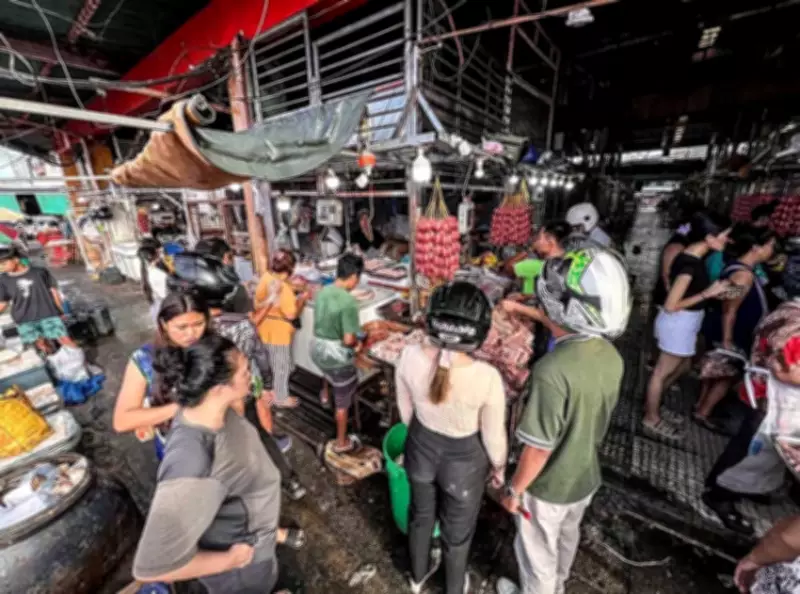
The waste management project is yielding significant results in 30 upland barangays, areas that often face logistical hurdles in trash transportation. Mayor Archival emphasized, "If each barangay diverts just one ton of waste daily through proper segregation, 30 tons are effectively kept out of landfills." Simultaneously, at the Carbon Public Market—the city's largest trading hub—shredding machines are already processing 15 tons of waste per day. The city aims to increase this capacity to 20 tons soon, which would handle half of the market's total daily trash output.
Transforming Organic Waste into Valuable Resources
Historically, organic waste from markets contributed to unpleasant odors and toxic runoff at dumpsites. Today, this waste is being repurposed as a valuable resource. Biodegradable materials collected from the Carbon market are now transported to the City Agriculture Department's nursery, where they are converted into organic compost. This compost is subsequently distributed to local farmers to support crop cultivation, fostering a "circular economy" that ensures minimal waste and maximizes resource utilization.
Educating the Community for Long-Term Sustainability
On Friday, January 30, 2026, Mayor Archival personally demonstrated proper trash sorting techniques to students and parents from the John Dewey School for Children. He believes that community involvement is essential for addressing the city's most pressing challenges. As these programs continue to succeed, the City Government plans to expand shredding and composting tools to additional markets and residential areas across Cebu, paving the way for a cleaner and more sustainable future.