Cebu City's Mounting Garbage Crisis Reaches Critical Point
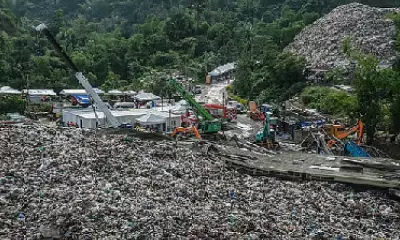
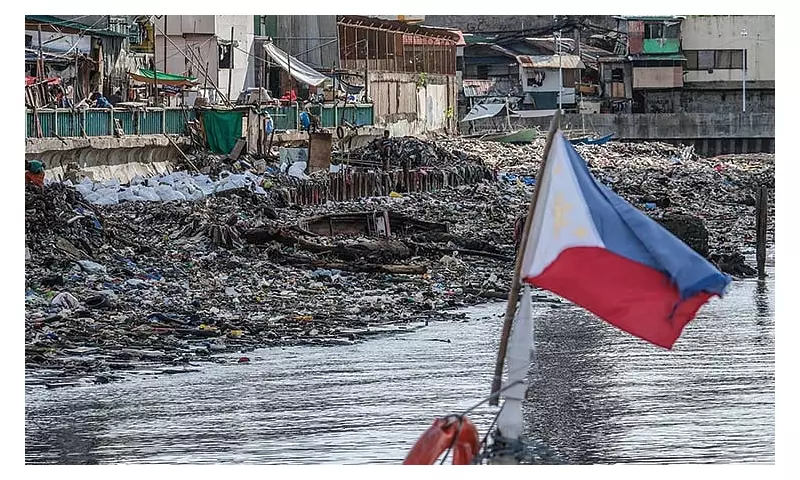
Piles of trash remained clearly visible along the coastal area of Barangay Pasil in Cebu City on Saturday, November 22, 2025, despite the government's simultaneous launch of Oplan Kontra Baha just one day earlier. This disturbing scene highlights a growing environmental and public health crisis that threatens the entire metropolitan area.
The Warning Signs Ignored
City Councilor Joel Garganera, chairman of the environment committee, issued a stark warning on Friday, November 21, 2025, describing the city's waste management system as a "looming health crisis." He emphasized that Cebu City is rapidly running out of time as garbage continues to accumulate without any sustainable long-term solution in place.
The core of the problem traces back to the Inayawan dumpsite, which despite a Supreme Court closure order in 2017, remains unrehabilitated eight years later. Garganera revealed that the landfill has operated more than 12 years beyond its intended useful life, creating what he calls a "ticking time bomb" just kilometers away from densely populated communities.

Systemic Failures and Legal Limbo
The failure to rehabilitate the Inayawan site stems from complex legal and contractual issues. A service provider initially engaged to mine and restore the location had to abandon the project when authorities discovered the city no longer owned the land. This legal deadlock has left the massive garbage pile uncontained, allowing dangerous decomposition processes to continue unchecked near residential areas.
Garganera expressed deep frustration with the cyclical nature of the problem, stating: "I moved heaven and earth to close the Inayawan landfill only to be answered by having another landfill." This pattern of simply opening new dump sites rather than addressing the root causes has left the city trapped in an unsustainable waste management model.
Weather Exposes System Vulnerabilities
The recent typhoon Tino brutally exposed the fragility of Cebu City's waste management infrastructure. Damaged roads and landslide-prone slopes in mountain barangays severely hampered garbage collection trucks, while barangays that normally made two to three trips could now manage only one, often requiring nighttime operations.
The resulting congestion at the Binaliw Landfill created additional complications, with vehicles arriving simultaneously or struggling to navigate uphill routes, further slowing operations throughout the city.
A Sustainable Way Forward
Councilor Garganera advocates for a fundamental shift in approach, emphasizing that "my perspective is on sustainability, which is what WTE [Waste-to-Energy] represents." He argues that landfills represent an obsolete, land-intensive method that other countries have already abandoned as a "thing of the past."
While previous Waste-to-Energy proposals in Cebu City have faced setbacks, Garganera insists that a science-based solution is urgently needed to prevent further land depletion and establish a controlled waste-management system.
The immediate focus now turns to health authorities, with Garganera urging the Department of Health and Cebu City Health Department to conduct thorough assessments of current landfill conditions to quantify health risks to residents. As the visible evidence of the crisis grows, pressure is mounting for the city to abandon traditional landfill methods in favor of modern, sustainable technology.