Cebu City Grapples with Mounting Waste Crisis After Landfill Tragedy
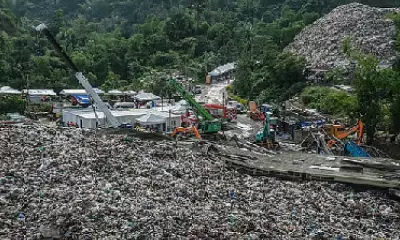
The city of Cebu is confronting an escalating waste management emergency, with officials struggling to address where to dispose of approximately 500 to 600 tons of garbage collected daily. This critical situation emerged following the tragic collapse of the Binaliw landfill on January 8, which claimed the lives of 36 workers and forced its immediate closure. The disaster has left the highly urbanized city without a primary disposal site, sparking urgent discussions and revealing deep-seated challenges in regional waste management policies.
Legal and Environmental Hurdles Block Potential Solutions
One proposed alternative involves reopening the Inayawan landfill in Cebu City. However, this plan faces significant legal and environmental obstacles. The Supreme Court has upheld a writ of kalikasan (environmental protection) originally issued by the Court of Appeals, which mandated the closure of Inayawan landfill due to its detrimental impact on the environment. This landmark decision, recorded as G.R. No. 231164 on March 20, 2018, stemmed from the case Mayor Tomas R. Osmeña versus Joel Capili Garganera. The ruling notably emphasized protection for the people of Cebu and Talisay cities, as well as future generations, including those yet unborn, highlighting the long-term environmental stakes.
Neighboring Cities Refuse to Accept Cebu's Waste
Compounding the crisis, mayors of adjacent localities have firmly rejected requests to accept Cebu City's waste in their landfills. During a meeting on January 22 with Cebu Governor Pamela Baricuatro and Environment and Natural Resources Secretary Raphael Lotilla, both Talisay City Mayor Gerald Anthony Gullas and Minglanilla Mayor Rajiv Enad declared their unwillingness to shoulder the burden. Mayor Enad argued that it would be unjust to transfer the environmental and social responsibilities from a highly urbanized city to a municipality. He further noted that Minglanilla itself faces disposal challenges, as its private landfill has been closed for three years due to lack of an operating permit, forcing the town to transport its waste to Naga City.

Mayor Gullas echoed these concerns, citing the dangers exemplified by the Binaliw landfill tragedy as a key reason for refusal. With these rejections, the only remaining disposal option for Cebu City is a landfill in Aloguinsan town, located 61.6 kilometers away. This distance underscores the logistical and economic difficulties, while also raising questions about the preparedness of Cebu City officials since the 2018 Supreme Court decision.
Search for Sustainable Alternatives Amid Legal Constraints
Currently, Cebu City is temporarily diverting its waste to a landfill in Consolacion town, managed by Philippine Waste Solutions, preventing immediate sanitation issues. However, long-term solutions are urgently needed. Residents and officials, including those from Cabadiangan, express frustration with the lack of action from Cebu City Mayor Nestor Archival and Vice Mayor Tomas Osmeña. While incineration is prohibited by law, Secretary Lotilla has suggested exploring waste-to-energy (WTE) technologies as a potential remedy. Yet, this proposal must navigate approval from environmentalist groups, who may raise concerns about emissions and sustainability, adding another layer of complexity to resolving the crisis.
The situation highlights a pressing need for innovative waste management strategies that balance environmental protection, legal compliance, and urban necessities in the Philippines.