The Philippines is taking a monumental leap towards a sustainable future with the announcement of its first large-scale waste-to-energy (WTE) plant. This groundbreaking P4-billion facility is slated for construction in New Clark City, promising to transform the nation's approach to waste and power generation simultaneously.
A Groundbreaking Project for Clean Energy and Waste Management
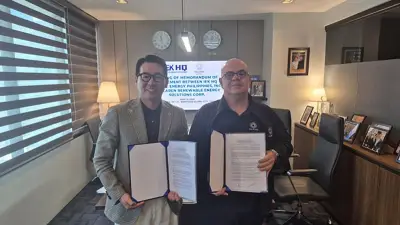
Spearheaded by the Bases Conversion and Development Authority (BCDA), this initiative represents a significant shift in infrastructure development. The project is a collaboration with a consortium comprising ATD Waste to Energy Corporation, Global Heavy Equipment and Construction Corporation, and Uttamenergy Limited.
The core function of the plant is both simple and revolutionary. Each day, it will process 600 metric tons of solid waste, converting what was once considered garbage into a valuable resource. This process will generate 12 megawatts of electricity per day, providing a reliable and locally sourced clean energy supply.

Economic and Environmental Impact
The benefits of this project extend far beyond power generation. It is poised to make a substantial dent in the country's persistent solid waste management crisis. By diverting hundreds of tons of waste from landfills daily, the facility offers an innovative and practical solution to an age-old problem.
Furthermore, the project is a significant economic driver. It is expected to generate 300 jobs during the construction phase and create more than 100 direct employment opportunities once operational. This will provide a welcome boost to the local economy and support downstream industries.
The clean energy produced will be channeled to over 10,000 homes in Clark and the surrounding communities, ensuring a more sustainable and resilient power supply for thousands of Filipinos.
A New Mindset for a Sustainable Future
Engr. Amando T. Diaz, president of the leading consortium, encapsulated the project's philosophy. He stated that the facility symbolizes a crucial shift in mindset, sending a powerful message that waste is not just garbage—it is a resource.
"A resource that, when managed responsibly and creatively, can power homes, fuel progress, and protect our planet," Diaz added. This project stands as a testament to how environmental challenges can be met with innovation, turning a problem into a source of progress and power for the nation.