Student Journalist Examines Waste-to-Energy Potential for Philippines' Mounting Garbage Crisis
As a student learning about various energy generation methods, I've studied everything from traditional fossil fuels and charcoal to sustainable alternatives like hydroelectric, wind, and solar power. However, one particular energy source has captured my attention significantly: waste-to-energy facilities.
The Practical Technology Transforming Global Waste Management
This isn't magical thinking but practical technology already implemented in environmentally conscious nations like Japan, Singapore, and Sweden. Waste-to-energy works through specialized incineration chambers that process domestic and commercial waste, converting basura into usable electricity and heat. This approach reduces landfill volume while complementing other green technologies. The question naturally arises: why haven't we adopted this solution in the Philippines?
The Staggering Scale of Philippine Waste Production
The Philippines generates nearly 61,000 metric tons of trash daily, with 22 to 23 million tons ending up in landfills annually. Cebu alone contributes 1.2 percent of this total, with waste volumes doubling during celebrations like the Sinulog festival. On January 18, 2026, SunStar Cebu reported nearly 1,000 tons collected in a single day—twice the usual 500 to 600 tons. Considering each ton can generate 500 to 800 kilowatt-hours of electricity, the potential energy from our daily waste becomes truly remarkable.

The Regulatory Hurdle: Incinerator Ban Under Clean Air Act
Waste-to-energy facilities face a significant obstacle in the Philippines: they're essentially incinerators, which are banned under the Clean Air Act of 1999. However, in countries utilizing this technology, plants are equipped with advanced scrubbers and filters that neutralize harmful emissions. Despite this technological advancement, waste-to-energy projects remain stalled in Cebu. Cebu City Mayor Nestor Archival maintains that local governments cannot adopt such controversial technology without clear regulations from the Department of Environment and Natural Resources.
Tragedy Highlights Systemic Waste Management Failures
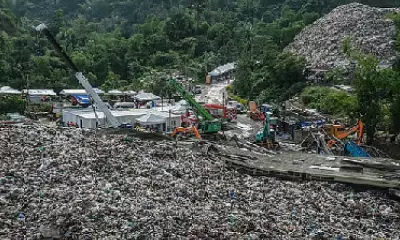
The urgency of addressing our garbage problem was tragically underscored by the Binaliw Landfill Landslide on January 8, 2026, which claimed 36 lives and injured 18 people. While Mayor Archival described this as an "act of God," reports had long warned about multiple issues including foul odor, leachate contamination, pest infestations, slope instability, and overcapacity. Critics pointed to weak enforcement against operator Prime Integrated Waste Solutions Inc.
From my perspective as a young observer, this tragedy represents not divine intervention but human failure—warnings ignored resulting in lives lost. Even at my age, I recognize how corruption and negligence make such disasters inevitable, fueled by hubris and greed within systems that should protect citizens.
Beyond Technology: The Fundamental Need for Segregation
Am I suggesting waste-to-energy represents a silver bullet for our garbage crisis? Absolutely not. While promising, this technology must be preceded by a more fundamental practice we should have implemented long ago: proper segregation and recycling.
Sweden transformed its waste management system by banning landfills entirely, while Singapore strictly enforces recycling and segregation protocols. Even these nations acknowledge that burning trash isn't ideal, as it still produces greenhouse gases like carbon dioxide—a major contributor to climate change.
International Models Versus Philippine Reality
In progressive waste management systems worldwide, you'll find separate bins for different waste types everywhere—supermarkets, municipal institutions, even subway stations. Non-compliance typically results in substantial fines.
In the Philippines, however, segregation exists primarily on paper. Bins labeled "biodegradable," "non-biodegradable," and "recyclable" frequently contain mixed trash. While recycling is taught in schools, these lessons often remain superficial rather than becoming ingrained behaviors. Sweden integrates waste management into both education and daily life—why can't we achieve similar integration?

The Path Forward: Responsibility Before Technology
Once again, the solution falls to us as citizens. Yes, we can dream of sophisticated waste-to-energy plants like those in Singapore and Sweden. However, without fundamental discipline and responsibility, technology alone cannot save us. We must fundamentally shift our perspective to view waste as a valuable resource rather than a burdensome problem.
The journey toward sustainable waste management requires both technological innovation and cultural transformation—a dual approach that addresses immediate crises while building long-term environmental consciousness.