The Bureau of Fisheries and Aquatic Resources in Zamboanga Peninsula has launched its annual three-month Sardines Closed Fishing Season, deploying monitoring vessels to enforce the conservation measure that began on November 15, 2025.
15th Year of Conservation Success
BFAR-Zamboanga Peninsula Director Al-Zath Kunting announced the implementation of the 15th consecutive Sardines Closed Fishing Season, which will protect sardine populations during their peak breeding period until February 2025. The conservation measure covers three critical fishing areas: the East Sulu Sea, Basilan Strait, and Sibuguey Bay.
This year's closure follows BFAR Administrative Circular No. 255, which temporarily prohibits the catching, selling, buying, and transporting of sardines within designated conservation zones. The policy aims to allow sardine stocks to spawn and regenerate, ensuring stable fish populations and sustainable livelihoods for local fisherfolk.

Remarkable Recovery in Sardine Stocks
According to data from the National Stock Assessment Program, the region has witnessed a dramatic 33.5 percent increase in sardine landings, jumping from 150.74 million kilograms in 2023 to 226.82 million kilograms in 2024.
Kunting highlighted the long-term success of the program, noting that total sardines landed catch from 2018 to 2024 has reached 1.47 billion kilograms. These numbers demonstrate the effectiveness of sustained management interventions under the closed season policy.
The main sardine species benefiting from this conservation effort include:
- Sardinella lemuru
- Sardinella gibbosa
- Sardinella fimbriata
- Amblygaster sirm
- Dussumieria acuta
- Herklotsichthys dispilonotus
- Herklotsichthys quadrimaculatus
Enforcement and Alternative Livelihoods
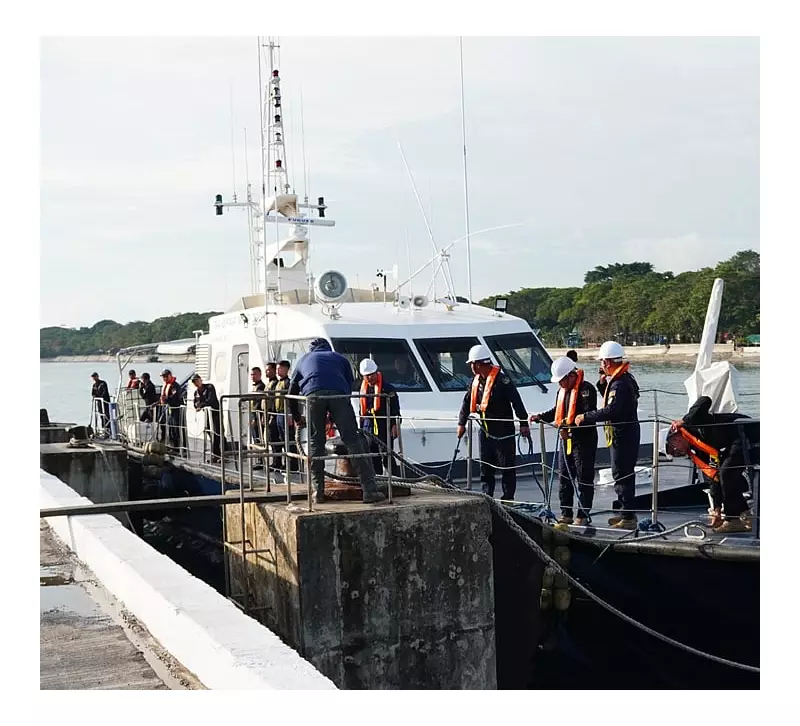
To ensure compliance with the fishing ban, BFAR-Zamboanga Peninsula has deployed two monitoring vessels: MCS-3004 and MCS-3008. These vessels will conduct surveillance operations throughout the three-month closure period.
Kunting emphasized that the continued implementation of the Sardines Closed Fishing Season is proof that conservation and livelihood can go hand in hand. He credited science-based governance, enforcement, and stakeholder cooperation for making the program a continuing success in the Zamboanga Peninsula.
The fishing moratorium also provides an opportunity for local governments and partner agencies to implement alternative livelihood programs for affected fisherfolk and continue advocacy campaigns promoting responsible fishing practices.
Since its first implementation in 2011, the Sardines Closed Fishing Season has been recognized as one of the most successful fisheries management programs in the Philippines, serving as a model for balancing ecological preservation with economic stability in the region known as the Sardines Capital of the Philippines.