Significant Marine Discovery in Panabo City
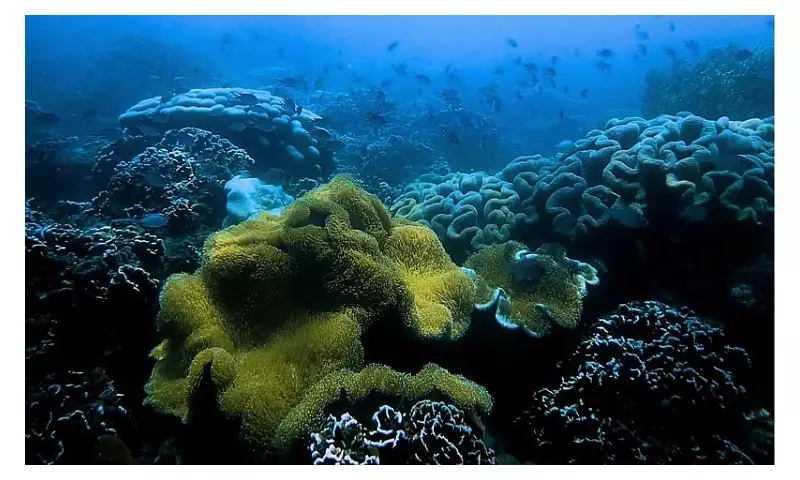
A remarkable underwater discovery has emerged from the coastal waters of Panabo City as government agencies confirmed the existence of previously undocumented coral reef formations. The groundbreaking finding resulted from a collaborative ground-truthing and local mapping initiative conducted by the City Environment and Natural Resources Office (Cenro), working alongside the City Agriculture Office – Fisheries Development Section and the Bureau of Fisheries and Aquatic Resources – National Mariculture Center (BFAR-NMC).
Why This Coral Reef Discovery Matters
The identification of coral reef structures in Panabo City represents a crucial development for marine conservation and local livelihoods. According to the United Nations Environment Programme (UNEP), newly discovered reef areas enable local governments to map biodiversity hotspots and implement science-based coastal management programs.
Coral reefs, often called the "rainforests of the sea," support extraordinary marine diversity. Global data from UNEP and the NOAA Coral Reef Conservation Program reveals that although coral reefs cover less than 1% of the ocean floor, they sustain over 25% of all marine species.

The economic implications are substantial. An Asian Development Bank study titled "Coral Reefs, Fisheries and Food Security" indicates that Philippine coral reef ecosystems generate approximately US$1.35 billion annually in economic value through tourism, fisheries, and coastal protection.
Ecological and Economic Benefits of Coral Reefs
The newly discovered reefs provide multiple benefits to Panabo City and surrounding areas:
Fisheries and Food Security: Coral reefs serve as essential spawning grounds, shelter, and feeding areas for numerous fish species. The Bureau of Fisheries and Aquatic Resources (BFAR) emphasizes that reefs significantly contribute to the country's annual fish production, directly supporting local fishing communities.
Coastal Protection: Research from the U.S. Geological Survey and the World Resources Institute demonstrates that healthy reefs can reduce up to 97% of wave energy, acting as natural barriers against storm surges, erosion, and flooding.
The Dire Consequences of Reef Loss
The disappearance of coral reefs signals severe environmental degradation. According to the Philippine Department of Environment and Natural Resources (DENR) and global studies by the Intergovernmental Panel on Climate Change (IPCC), reef loss leads to fisheries collapse as fish lose critical breeding habitats.
Additional consequences include increased coastal vulnerability to flooding and erosion, significant biodiversity loss, and substantial economic impacts on fishing communities and tourism. Reef disappearance often indicates underlying environmental stresses such as water pollution, ocean acidification, warming waters, and destructive human activities.
Call to Action for Marine Conservation
Local officials have emphasized that this discovery represents both a scientific achievement and a conservation responsibility. The Panabo City local government issued a compelling message: "Let's protect our coral reefs — Bantayan nato ang atong bahura. They are the heart of our seas, the cradle of marine life, and the pride of Panabo."
With this newfound knowledge, Panabo City is expected to enhance its marine conservation programs, strengthen enforcement of coastal regulations, and actively engage communities in protecting these invaluable natural assets. The discovery, verified on November 14, 2025, positions Panabo City as a emerging leader in marine ecosystem conservation in the Philippines.