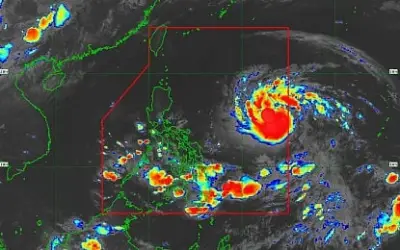
Weeks after Typhoon Tino (Kalmaegi) submerged large portions of Cebu province, the region's public transport system continues to struggle with significant vehicle losses and operational challenges.
Scale of the Damage
More than 300 public utility vehicles (PUVs) remain out of service across Cebu, creating transportation gaps that affect daily commuters. The affected fleet includes 187 taxis, 122 modern jeepneys, and 15 transport network vehicle services that were parked in flood-prone garages when the typhoon struck.
According to Land Transportation Franchising and Regulatory Board (LTFRB) 7 Director Eduardo Montealto Jr., the flooding occurred when the Butuanon River overflowed during the height of the storm. The majority of damaged vehicles were stored in centralized garages located in Mandaue City, with additional impacts felt in northern Cebu and Talisay City.

Why Recovery Is Taking So Long
The path to restoring normal transportation services faces multiple obstacles. Many of the submerged vehicles require complete engine replacements, a process that can take weeks depending on parts availability and repair capacity.
Compounding the mechanical issues, Cebu is experiencing a critical driver shortage. The magnitude 6.9 earthquake that struck just days before Typhoon Tino displaced numerous drivers, and the combination of disasters has delayed their return to work. Approximately 150 fully operational units are currently sitting idle due to the lack of available drivers.
Immediate Solutions and Long-term Concerns
LTFRB 7 is implementing temporary measures to address the transportation gap. The agency plans to issue special permits allowing operators to deploy backup units from their standby fleet. Montealto noted that about 400 of Cebu's 2,100 modern public utility jeepneys (MPUJs) remain on standby and available for mobilization.
The agency began collating damage assessment data on November 6 to understand the full scope of the disruption. Among the hardest-hit routes is the 01K route from Parkmall in Mandaue City to Urgello Street in Cebu City, where only 56 out of 110 units are currently operating.
Recovery efforts are expected to continue throughout the coming weeks as operators gradually restore services following vehicle repairs. However, the extended disruption has highlighted systemic weaknesses in disaster preparedness and operational resilience within Cebu's transportation infrastructure.