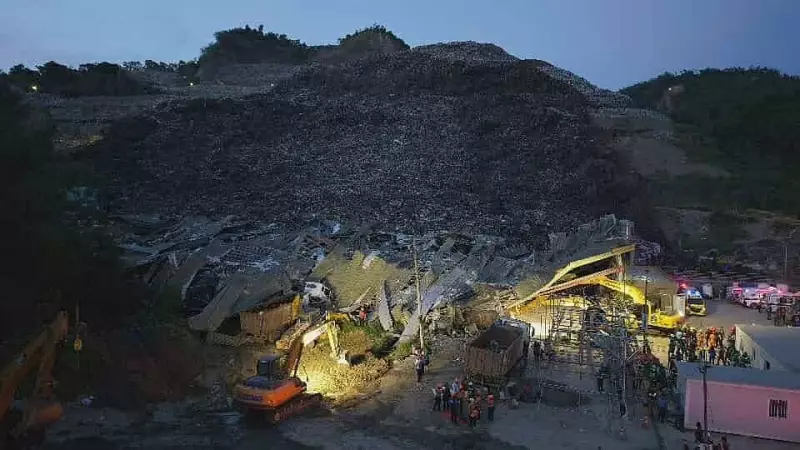
Cebu City Officials Admit Major Disaster Preparedness Gaps After Landfill Collapse
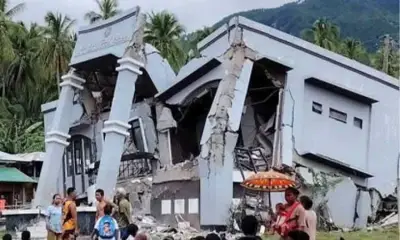
In a sobering admission, Cebu City officials have revealed serious deficiencies in disaster preparedness following the tragic Binaliw landfill collapse on January 8, 2026, which claimed the lives of 36 workers. The incident has prompted the City Council to acknowledge critical shortcomings in equipment, training, and waste disposal planning, all while the city faces an impending garbage crisis due to the facility's closure.
The Big Question: Addressing Systemic Failures
How will the City Government tackle these systemic failures to prevent future catastrophes and resolve the looming garbage crisis? This question looms large as officials grapple with the aftermath of the disaster, which has exposed deep-rooted vulnerabilities in the city's emergency response capabilities.
Flaws in Emergency Response Exposed
The collapse has laid bare several weaknesses in the city's ability to handle large-scale disasters. Councilor Winston Pepito, in a privilege speech, issued a stark warning: if the city struggled to respond to a single landfill collapse, it would be even more vulnerable in the event of a major earthquake or a disaster involving multiple collapsed structures.

"We owe it to our constituents, and to those who lost their lives, to ensure that we are better prepared in the future," Pepito emphasized, highlighting the moral imperative for reform.
During a review of the incident, officials identified specific operational weaknesses. Search and rescue operations were significantly slowed by a shortage of heavy and specialized equipment needed for complex and hazardous rescue work. Despite the courage and professionalism of the responders, the city lacked the advanced technical skills and disaster-specific training necessary for incidents of this magnitude.
Councilor Dave Tumulak, chairman of the City Disaster Risk Reduction and Management Council, noted that while assistance eventually arrived to provide necessary heavy machinery, the initial response was hampered by these critical shortages. In response, the council has called for an executive session with key city departments to assess weaknesses in inter-agency coordination and plan urgent investments in integrated disaster response systems.
Urgent Search for Waste Management Solutions
The city now faces an ongoing challenge in managing its waste following the closure of the Binaliw landfill. The Environmental Management Bureau 7 has issued a cease and desist order against the operator, Prime Integrated Waste Solutions Inc., due to imminent environmental and safety risks. This closure has revealed an overreliance on a single facility and insufficient long-term planning for disposal alternatives.
Consolacion Mayor Teresa Alegado has granted a 30-day window for Cebu City to divert garbage to a private landfill in Barangay Polog. However, Cebu City Mayor Nestor Archival cautioned that this arrangement is only a temporary fix.
"Consolacion is also being used as a dumping site by other local government units," Archival said, pointing to capacity strains that are raising concerns about leachate, odor, and environmental compliance.
Cebu City's volume of waste remains alarmingly high, as underscored by the recent Sinulog Festival cleanup, which generated nearly 700 to 1,000 tons of garbage. Archival mentioned that bins were limited along the route to encourage proper disposal, and collected plastics are set to be recycled, but these measures are insufficient to address the broader crisis.
Honoring the Responders Amid Challenges
As the city navigates these pressing challenges, officials have formally recognized the efforts of those who worked at the collapse site. The council passed resolutions commending the City Disaster Risk Reduction and Management Office, neighboring local government rescue units, the Bureau of Fire Protection, Philippine National Police, Philippine Red Cross, Emergency Rescue Unit Foundation, military and coast guard units, barangay responders, and volunteer groups for their roles in the rescue and containment operations.

Investigation and reform efforts continue as the city aims to honor the victims by ensuring future safety and stability. The council has moved to call for an executive session involving the Office of the Mayor and key departments to determine urgent investments in equipment and training, addressing the disaster preparedness gaps head-on.
What's Next: Crisis Talks and Future Plans
To prevent a potential waste management crisis, the City Government is in urgent talks with landfill operators in Bogo City, Minglanilla, and Aloguinsan, aiming to secure solutions before the 30-day deadline in Consolacion expires. These discussions are critical as the city seeks to balance immediate needs with long-term reforms to enhance disaster resilience and waste management strategies.