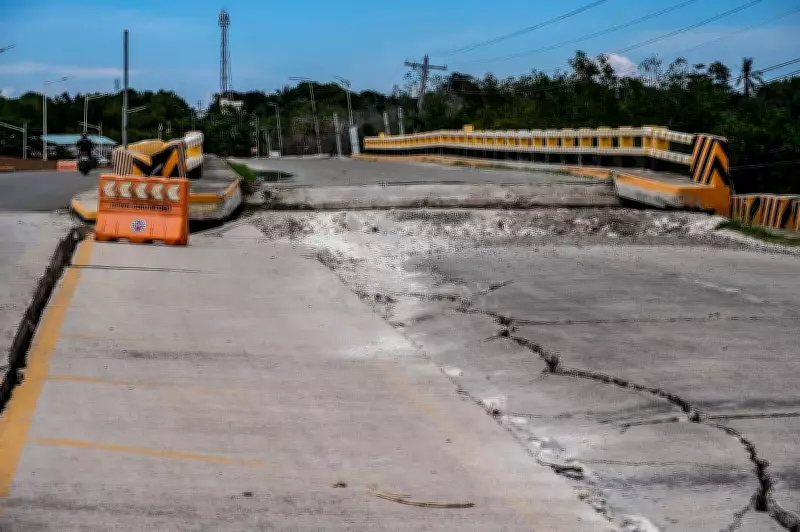
Cebu Province Establishes Technical Working Group to Expedite Post-Earthquake Recovery
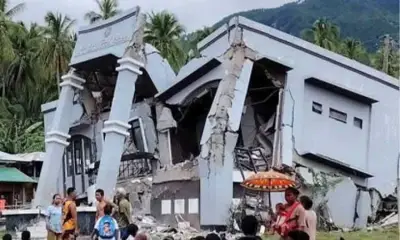
The Provincial Government of Cebu has officially formed a technical working group (TWG) to accelerate geohazard assessments and resolve bottlenecks in the rehabilitation and reconstruction efforts for areas affected by the 6.9-magnitude earthquake that struck Northern Cebu on September 30, 2025. This announcement was made during the first meeting of the Cebu Provincial Disaster Risk Reduction and Management Council (PDRRMC) held on Friday, January 30, 2026, at the Cebu Provincial Social Hall, where officials discussed updates on recovery plans following the seismic event.
Mayors Express Concerns Over Assessment Delays
During the meeting, Daanbantayan Mayor Gilbert Arrabis voiced his concerns regarding the slow pace of geohazard assessments, citing the damage to equipment at the Mines and Geosciences Bureau (MGB) under the Department of Environment and Natural Resources (DENR). "I just want to express my concern, Gov., that the MGB's equipment was damaged in December," stated Arrabis. The DENR-MGB is responsible for determining whether damaged areas can be safely rebuilt, and Local Government Units (LGUs) requesting reassessment of sites or relocation areas must await MGB evaluations before proceeding with any development projects.
San Remigio Mayor Mariano Martinez added that the lack of functional equipment has hindered inspections, limiting them to surface-level assessments and slowing down rehabilitation efforts. "There's a bottleneck because their equipment is damaged, so only above-ground assessment is possible now, which is not enough," explained Martinez, while expressing his approval of the province's initiative to create the TWG. He further noted that affected LGUs need to revise their Comprehensive Land Use Plans (CLUPs) due to newly identified no-build zones following the earthquake.

Impact on Relocation and Reconstruction Decisions
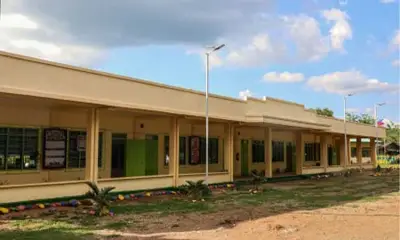
Assistant Administrator Aldwin Empaces highlighted how delays in obtaining clearances from the MGB are impeding decisions related to relocation sites and reconstruction, including critical infrastructure like schools. "The clearance has not been completed, so we cannot yet identify relocation sites or determine if schools can be rebuilt," reported Empaces, who mentioned that the Department of Education (DepEd) has raised similar concerns. This situation has created significant challenges for communities seeking to recover and rebuild in a safe and timely manner.
Governor's Directive and TWG Objectives
In response to these issues, Governor Pamela Baricuatro ordered the establishment of the TWG to develop a clear timetable and coordinate with each municipality for comprehensive assessments. "The technical working group will create a timeline and assign focal persons per LGU, so town by town, workshop by workshop, they can proceed with mapping," said Empaces. The TWG will also guide LGUs in updating their land use plans to ensure that future infrastructure and investments are not constructed in geologically hazardous areas, thereby enhancing long-term safety and resilience.
The PDRRMC, composed of provincial government officials and line agencies, hosted the meeting with mayors from earthquake-affected towns in Northern Cebu attending as guests. This collaborative effort underscores the province's commitment to addressing recovery challenges and fostering a coordinated approach to disaster risk reduction and management in the wake of the devastating earthquake.