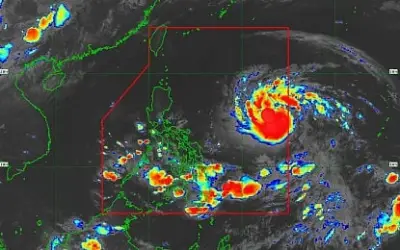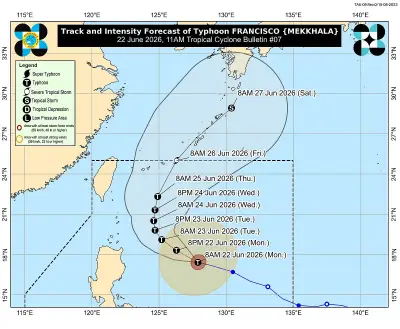
The Province of Cebu has been officially placed under a state of calamity following the devastating impact of Typhoon Tino that struck on November 9, 2025. This declaration, made by the Cebu Governor, represents more than just bureaucratic procedure—it activates emergency powers that significantly alter how assistance reaches disaster-affected communities.
Understanding the Legal Framework of Calamity Declaration
Under the Philippine Disaster Risk Reduction and Management Act (Republic Act 10121), a state of calamity is defined as "a condition involving mass casualty and/or major damages to property, disruption of means of livelihoods, roads and normal way of life of people" resulting from natural or human-induced hazards. The declaration in Cebu was not merely precautionary but based on documented devastation.
According to Executive Order No. 68, Series of 2025 issued by the Office of the Governor, Typhoon Tino caused severe damage to infrastructure, government facilities, private establishments and residential areas, resulting in loss of lives, injuries and displacement of communities. This comes as the province continues to recover from the September 30 earthquake, highlighting the compounded challenges facing Cebu residents.

Immediate Benefits and Emergency Measures Activated
Once a state of calamity is declared, both local and national governments can implement crucial emergency measures. These include:
Price controls on basic necessities such as rice, bread, meat, eggs, vegetables, cooking oil, sugar, and essential medicines under the Price Act (Republic Act No. 7581). This prevents profiteering and ensures affected families can access vital goods at reasonable prices.
Accelerated procurement processes that enable faster delivery of emergency supplies and services through alternative procurement modes.
Access to Quick Response Funds (QRF) for immediate relief, rehabilitation, and recovery work, along with programming of funds for repairing public infrastructure and facilities.
No-interest loans through government financing institutions to help affected residents rebuild their lives and livelihoods.
From Assessment to Action: How the Declaration Process Works
The declaration followed a coordinated response between local authorities. The provincial governor promptly called on the Provincial Disaster Risk Reduction and Management Office (PDRRMO), which conducted a rapid assessment confirming widespread damage across the entire province.
Under Philippine law, a state of calamity can be declared in two ways: by the President upon recommendation of the National Disaster Risk Reduction and Management Council (NDRRMC), or by local sanggunians upon recommendation of city, municipal, or provincial DRRMCs after thorough damage assessment.
The declaration remains in effect for up to one year unless lifted earlier when conditions stabilize, with local governments required to submit monthly situation reports during this period.
Beyond Reaction: The New Era of Disaster Preparedness
In a significant development for disaster management, President Ferdinand Marcos Jr. recently signed Republic Act 12287, the Declaration of State of Imminent Disaster Act. This progressive legislation allows the government to declare an area under imminent disaster before a calamity strikes, enabling authorities to mobilize resources, preposition relief supplies, conduct early evacuations, and implement contingency plans in advance.
In the aftermath of Typhoon Tino, it becomes increasingly clear that between typhoons, urban flooding, and seismic risks, timely declarations can mean the difference between orderly response and chaotic aftermath.
The government's swift mobilization of funds, prepositioned aid, and emergency response demonstrates how a state of calamity serves as both lifeline and call to action. These measures save lives and restore hope when communities need it most.

However, preparedness is not solely the responsibility of officials. Every citizen, neighborhood, and barangay has a role to play in securing homes, checking on neighbors, and staying informed. Together, Filipinos can transform warnings into protection, vulnerability into strength, and calamity into a challenge they can withstand.